
Red Wine
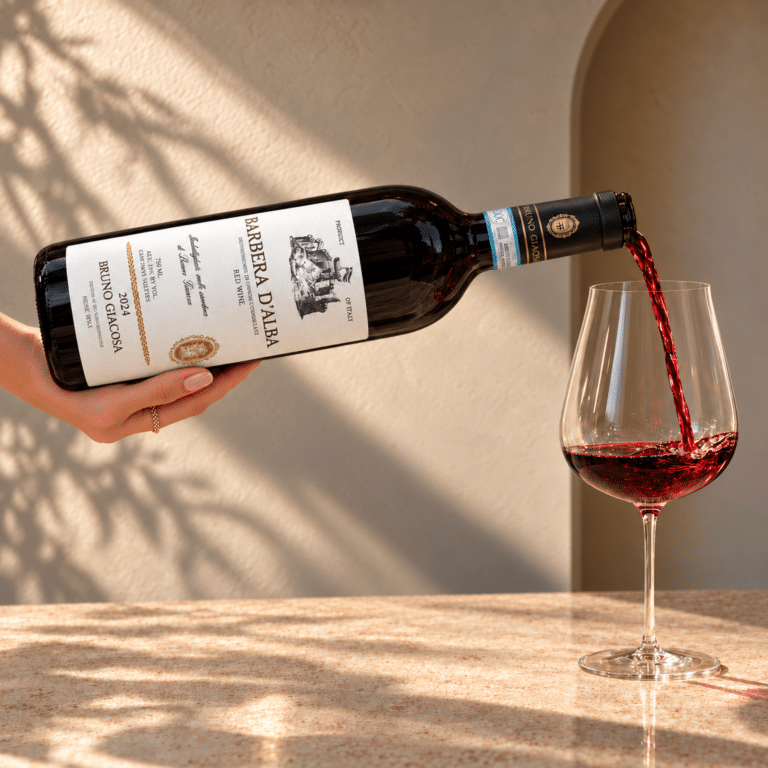
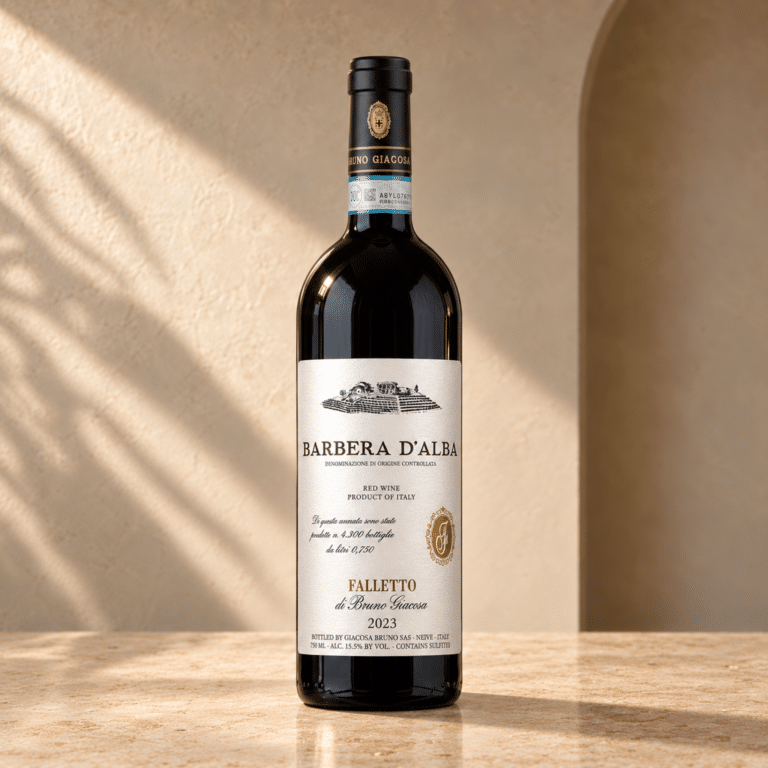
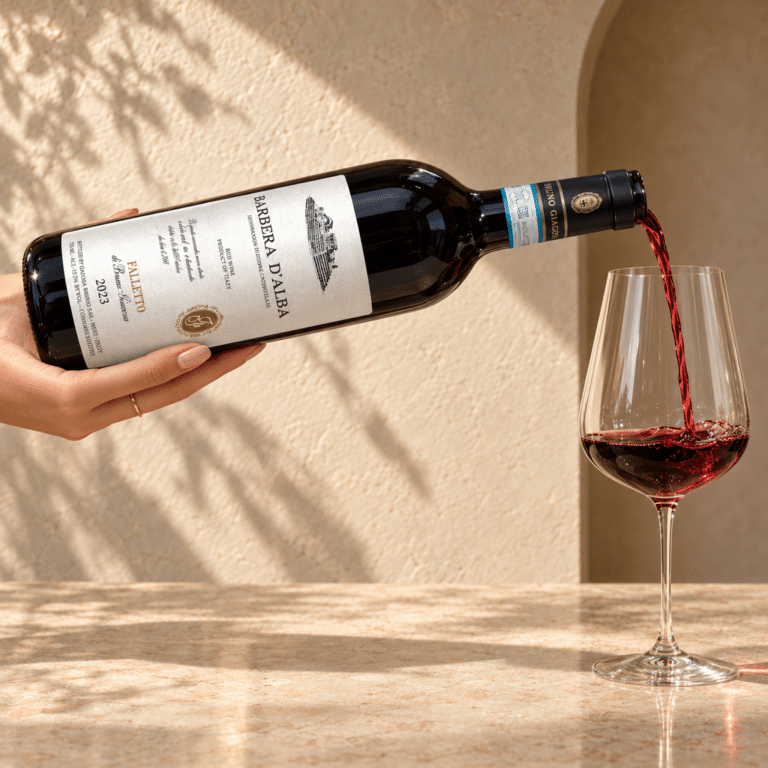
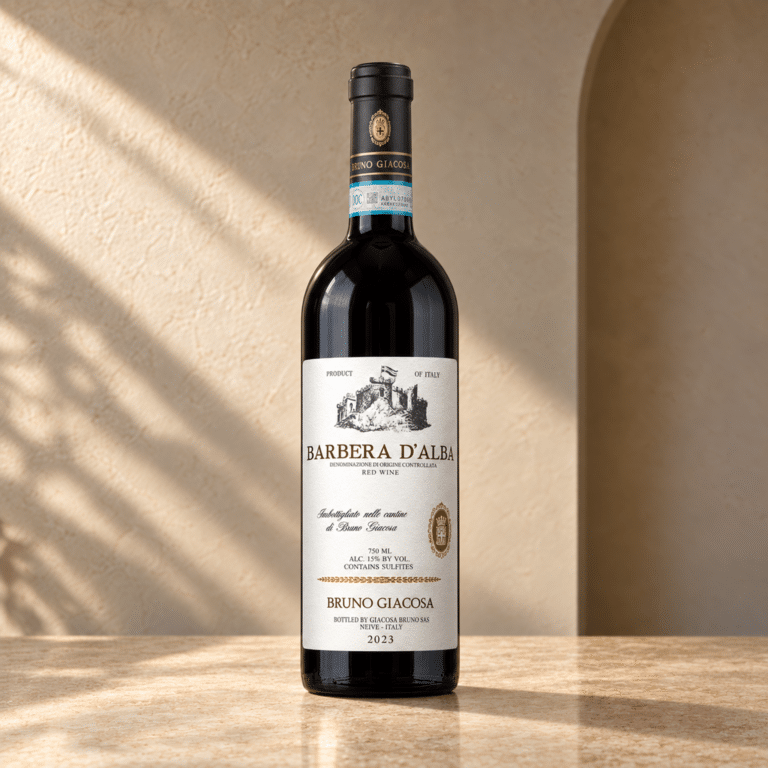
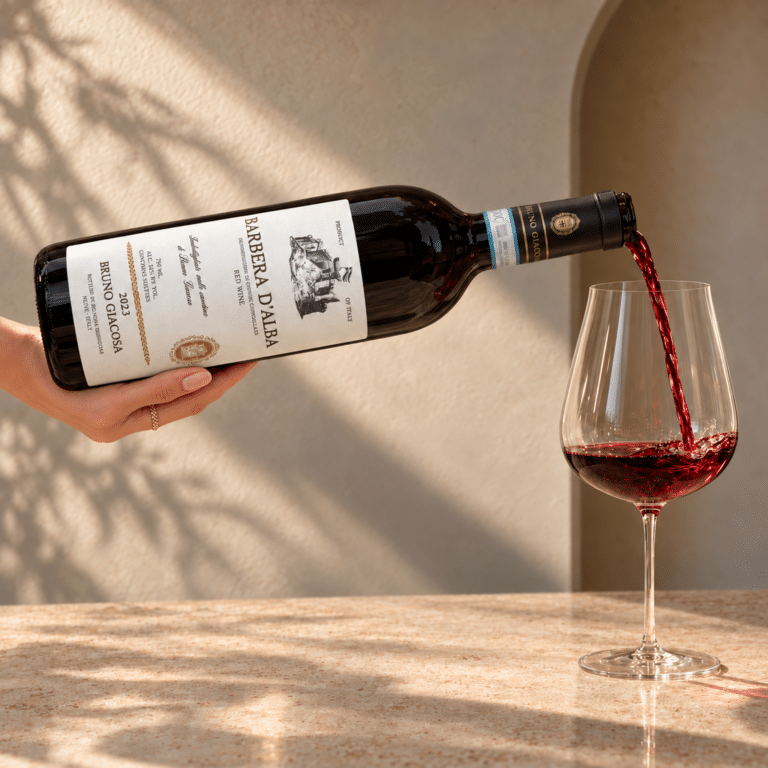
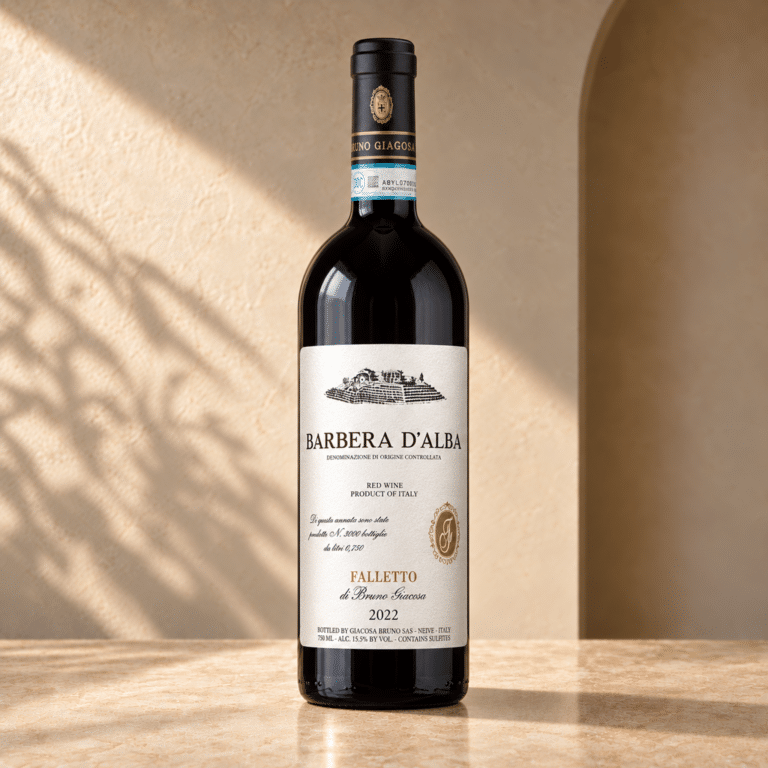
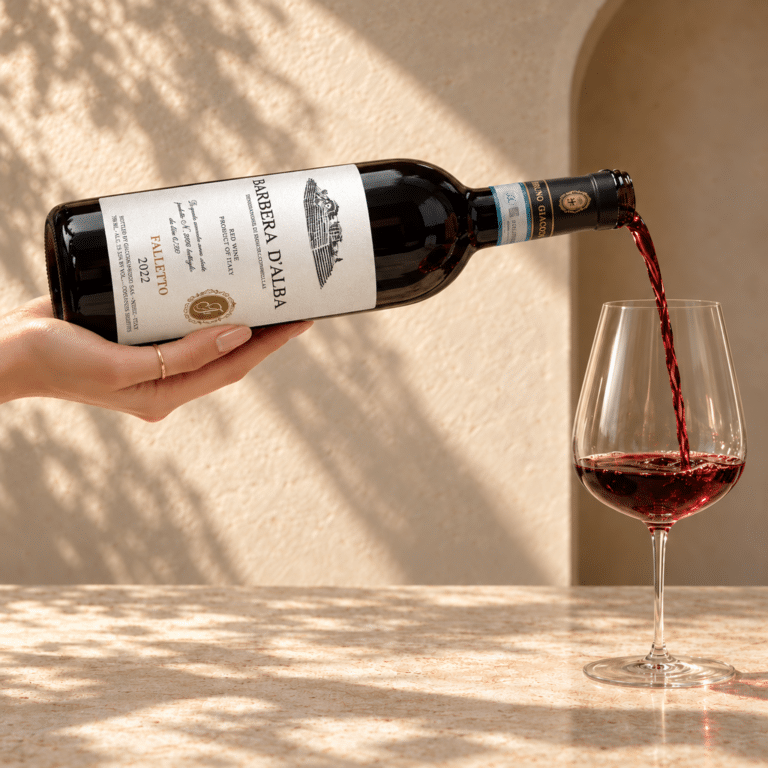
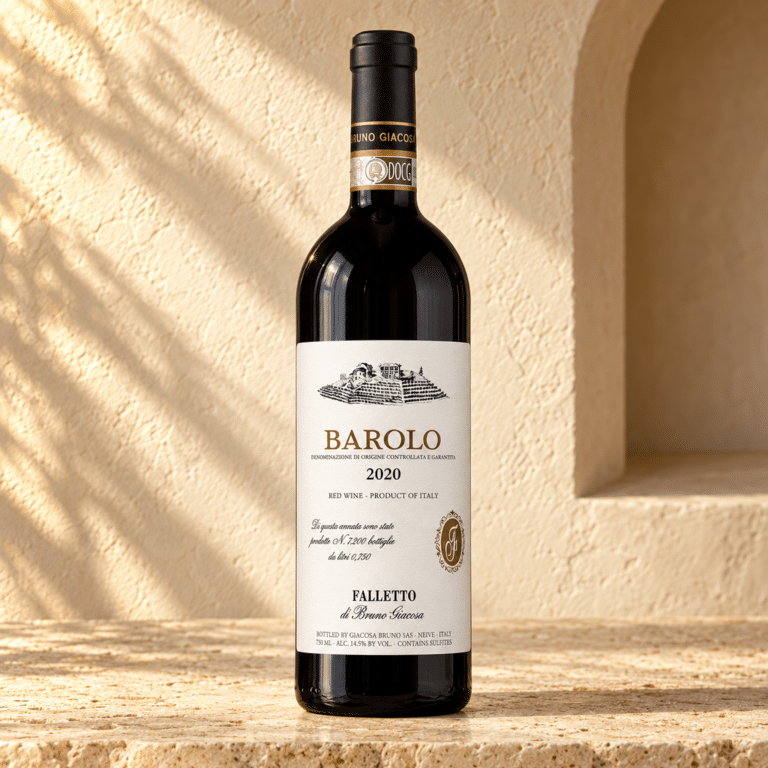
Bruno Giacosa
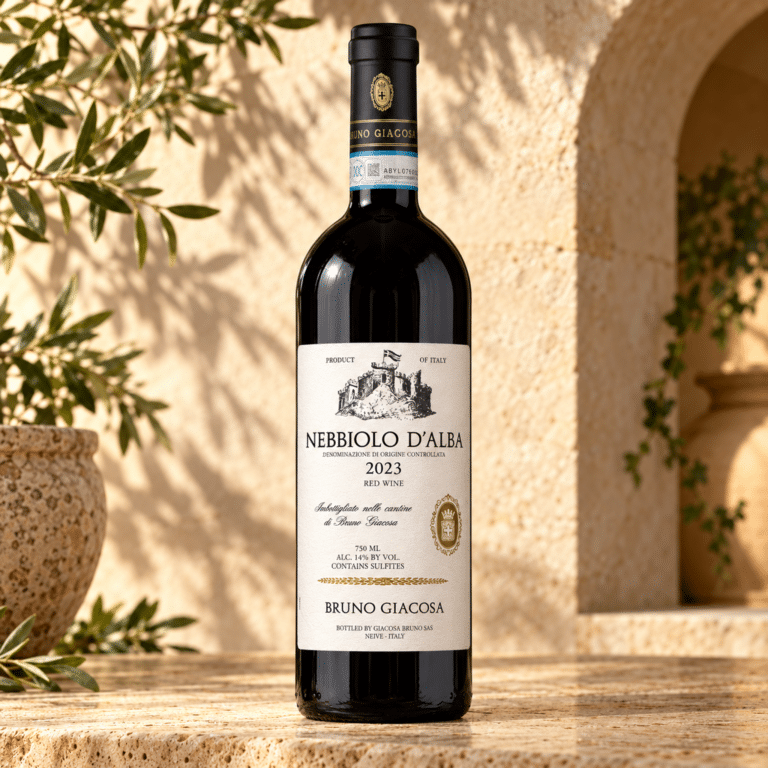
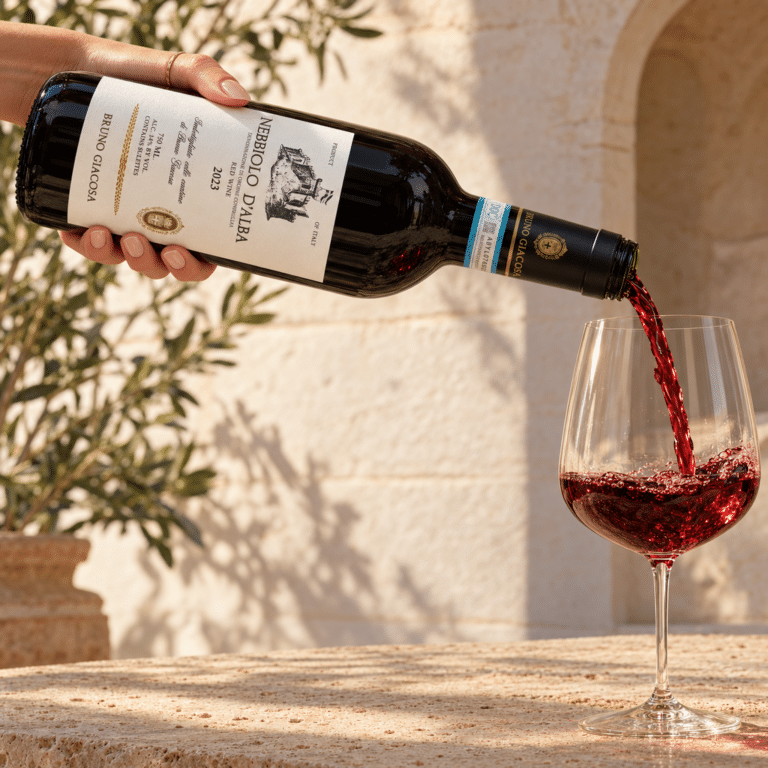
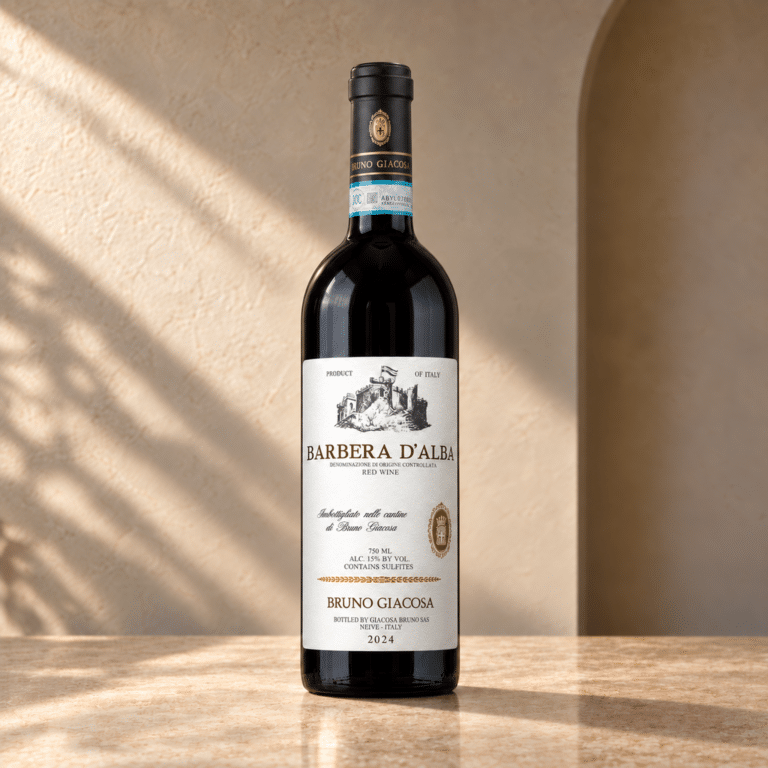
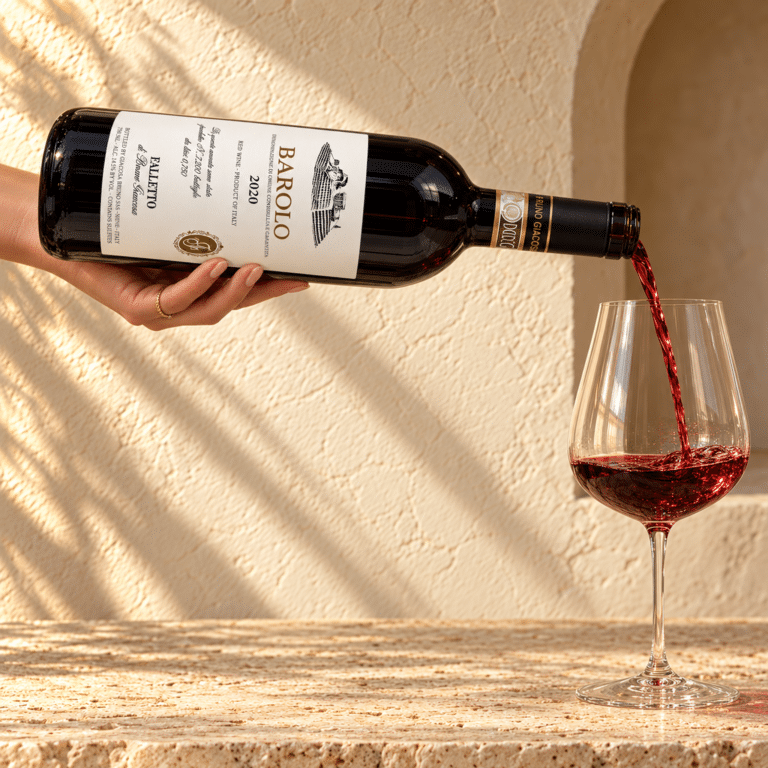
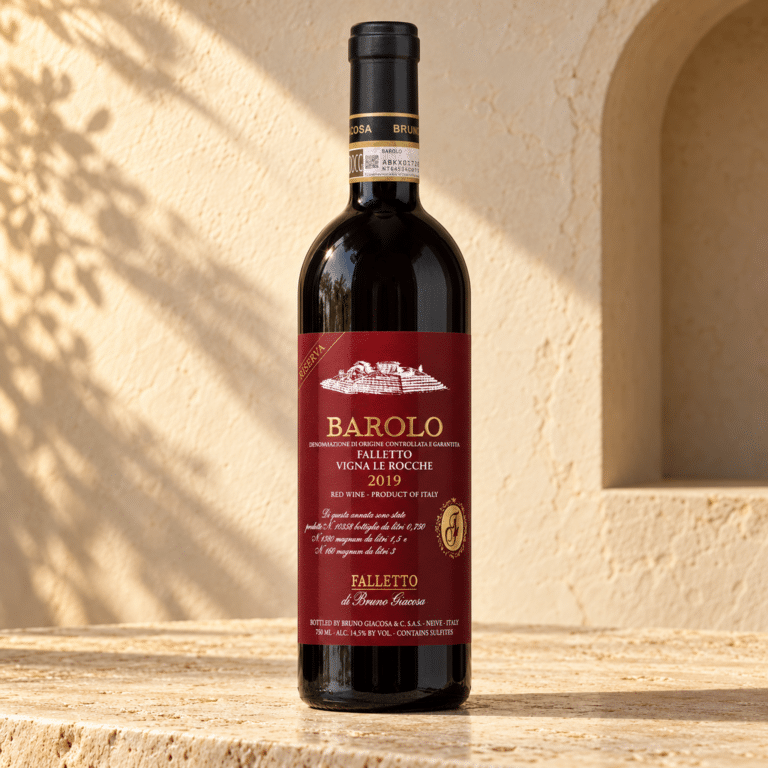
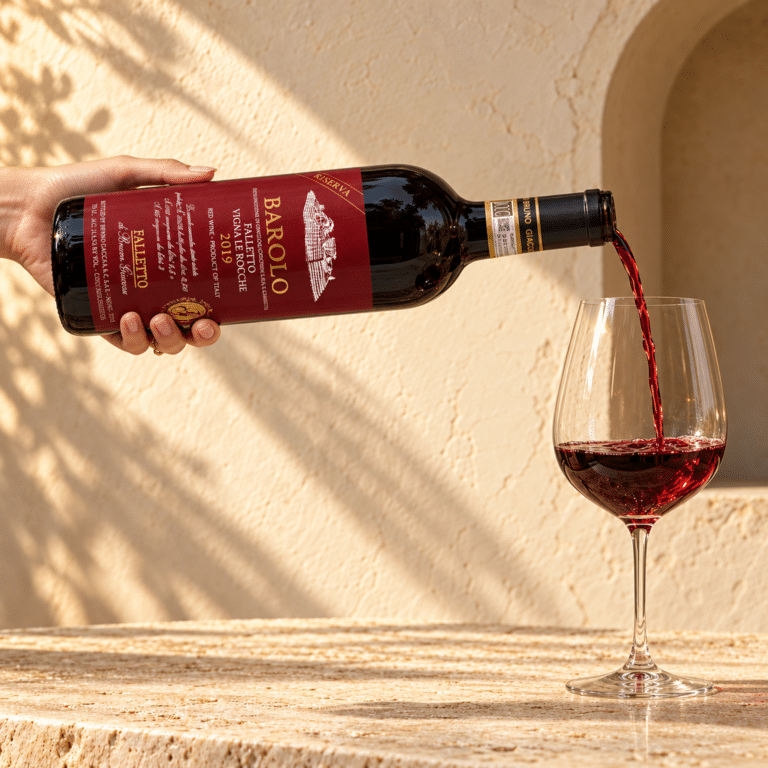
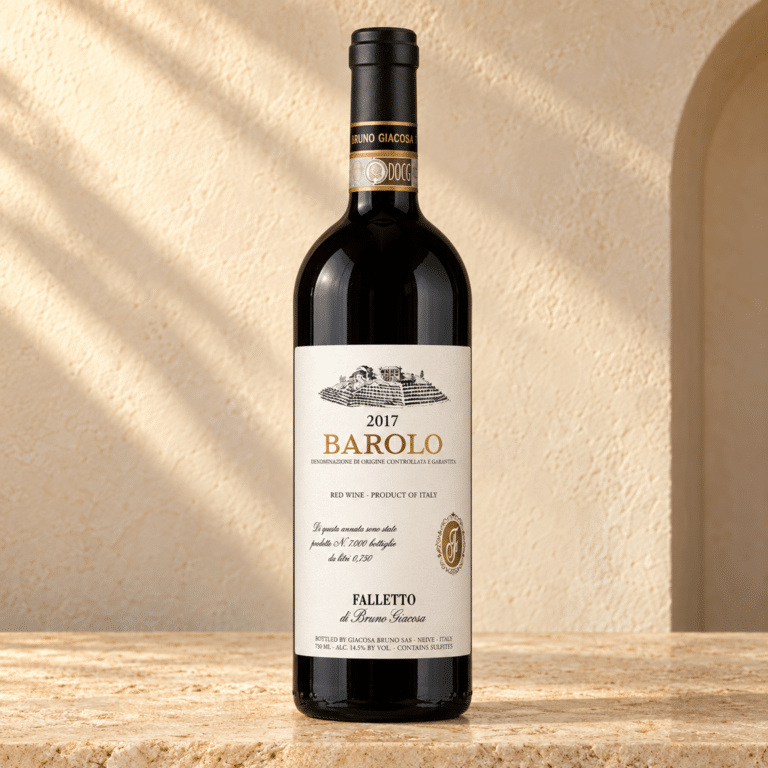
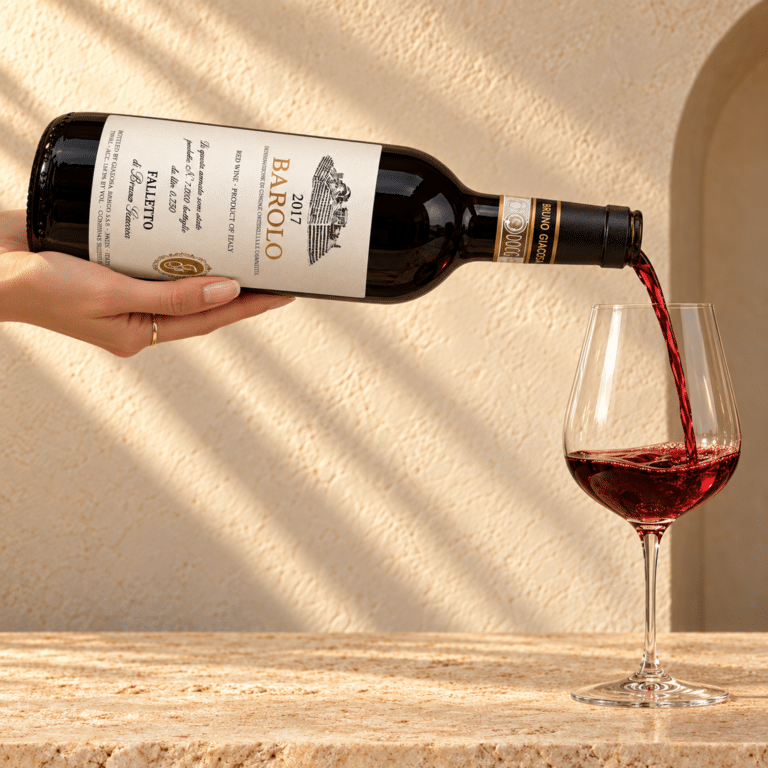
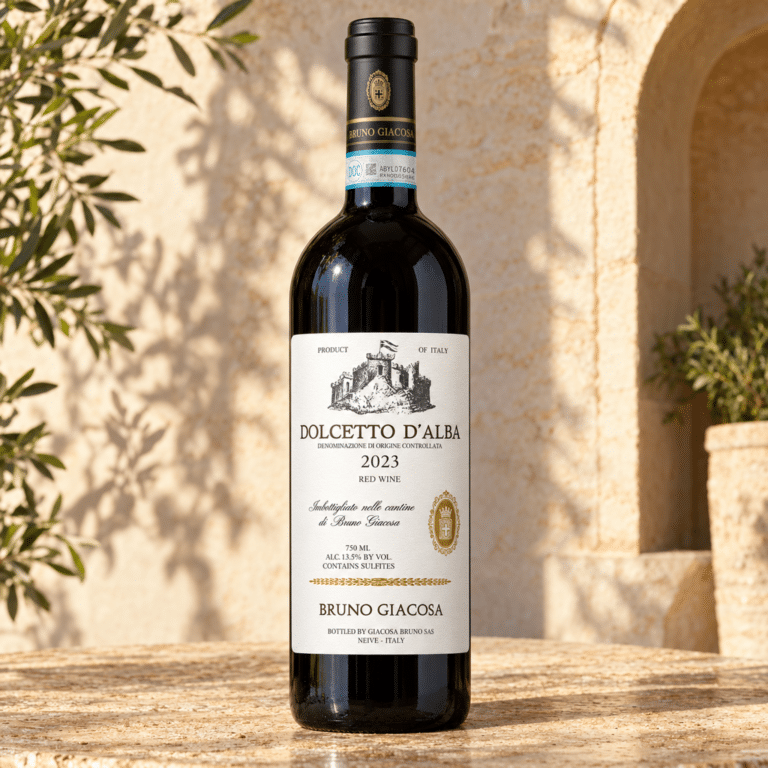
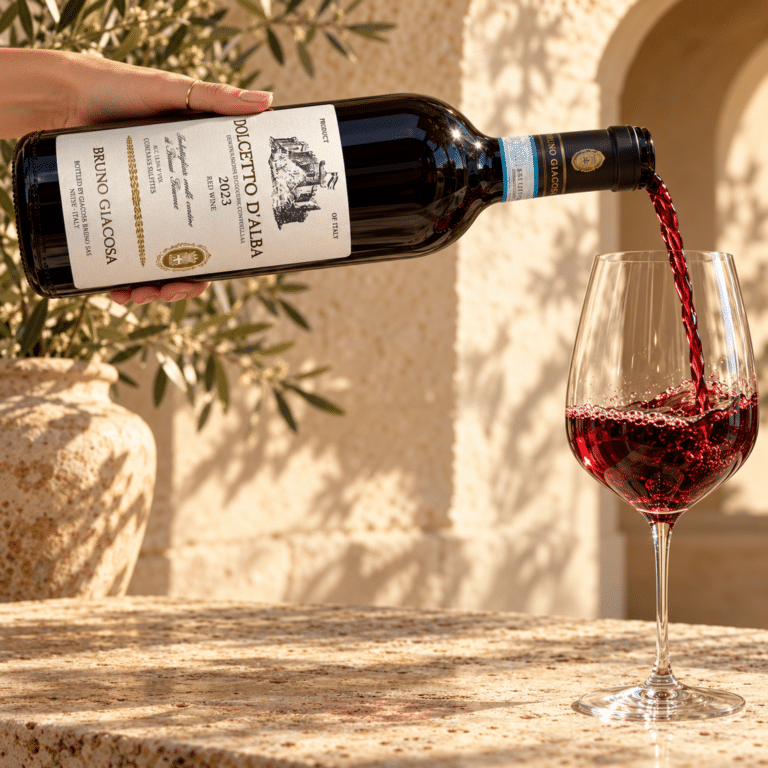
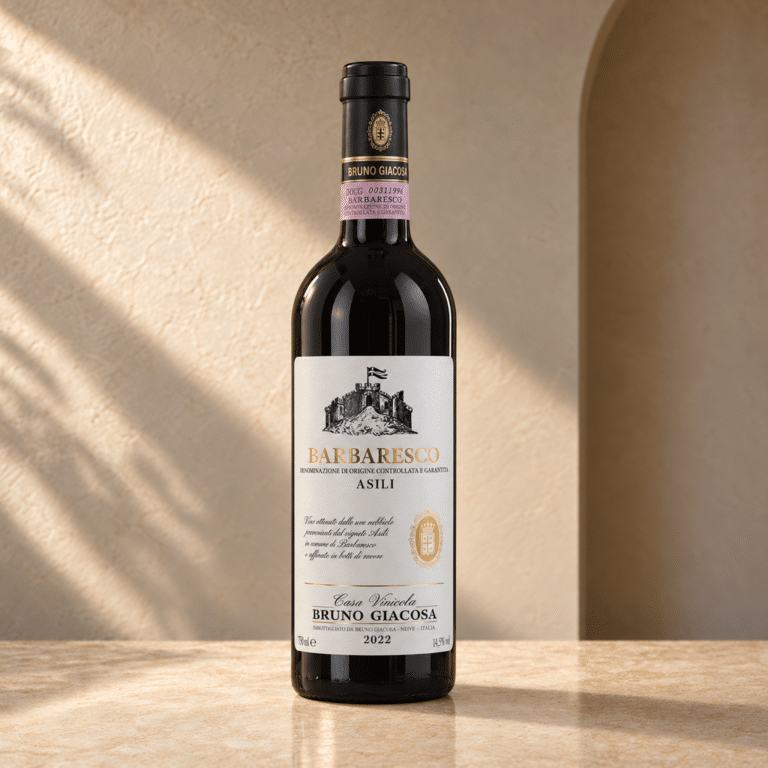
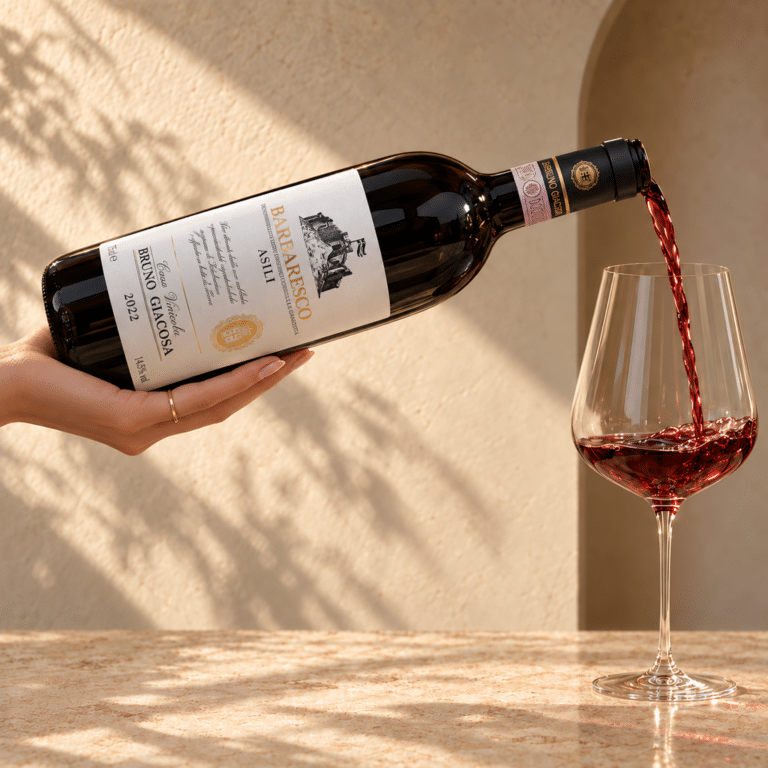
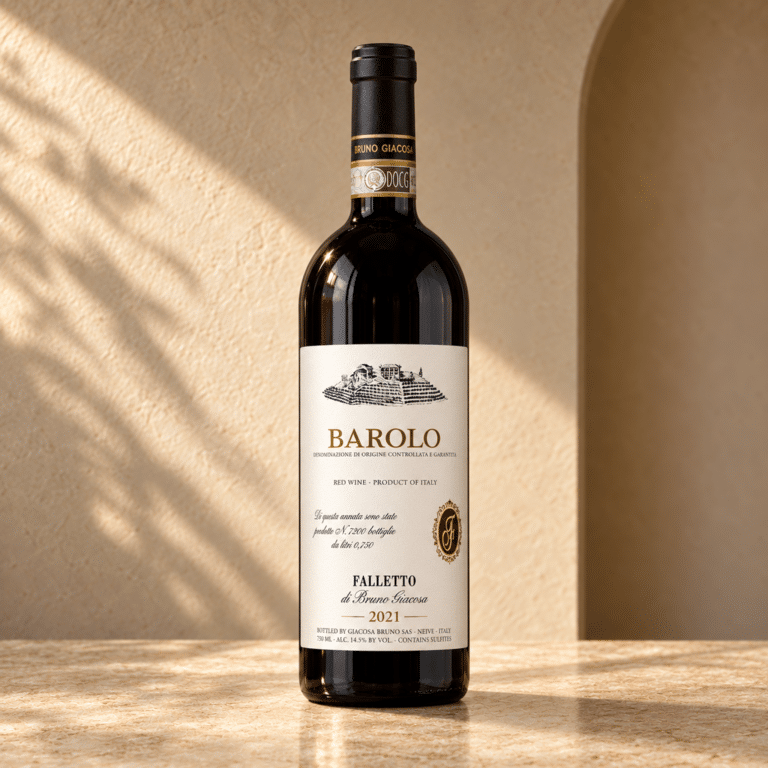
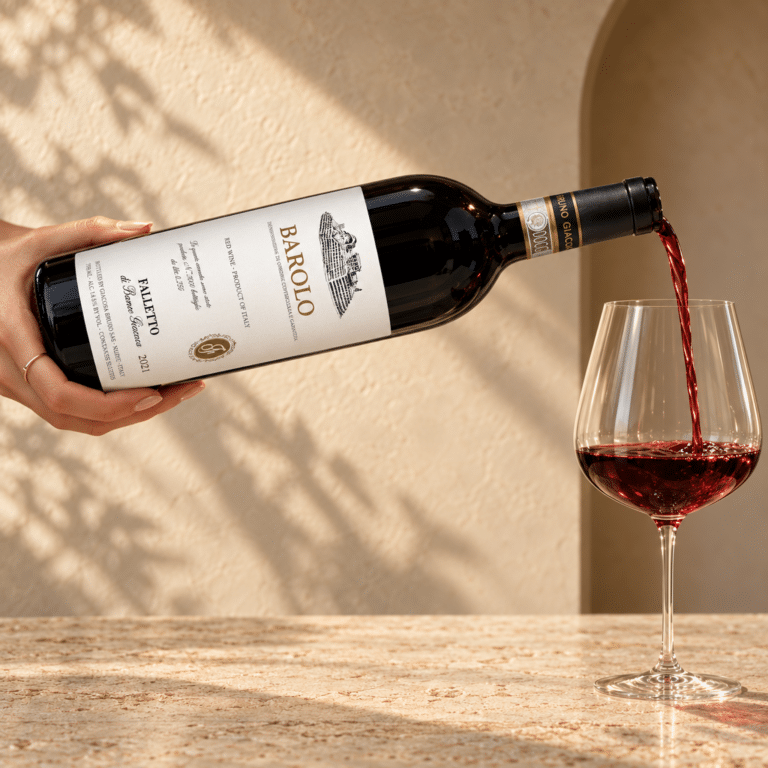
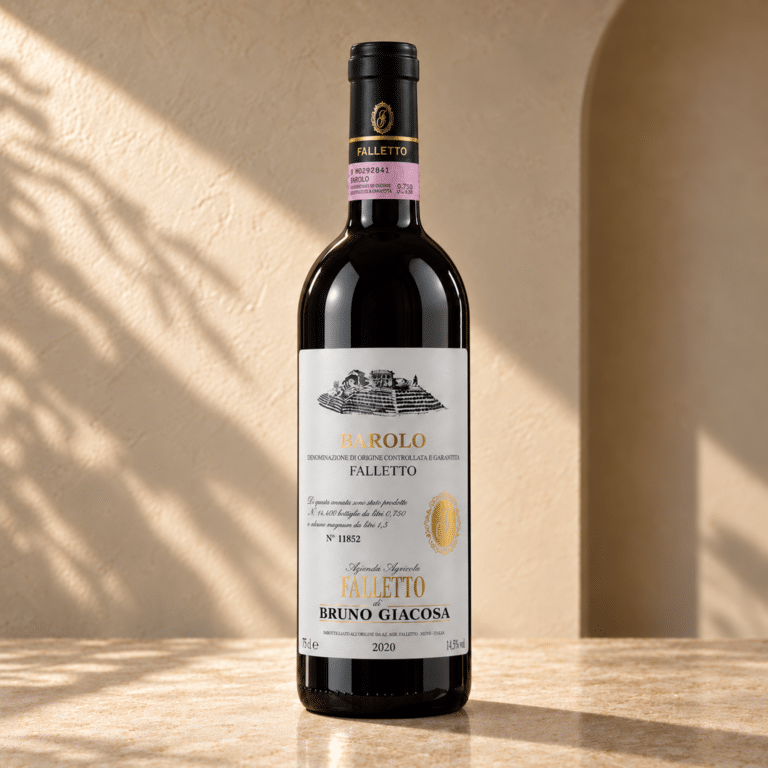
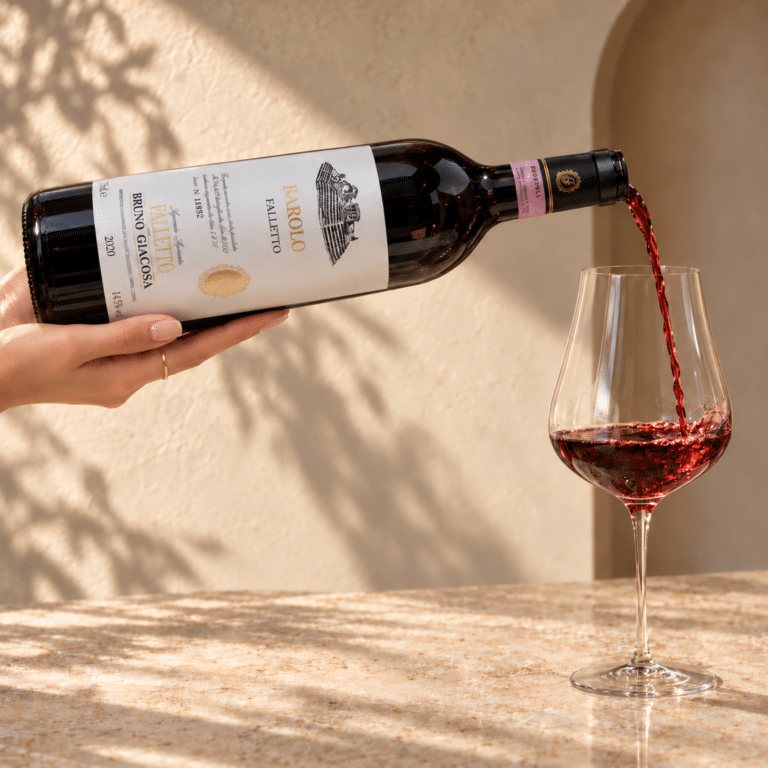
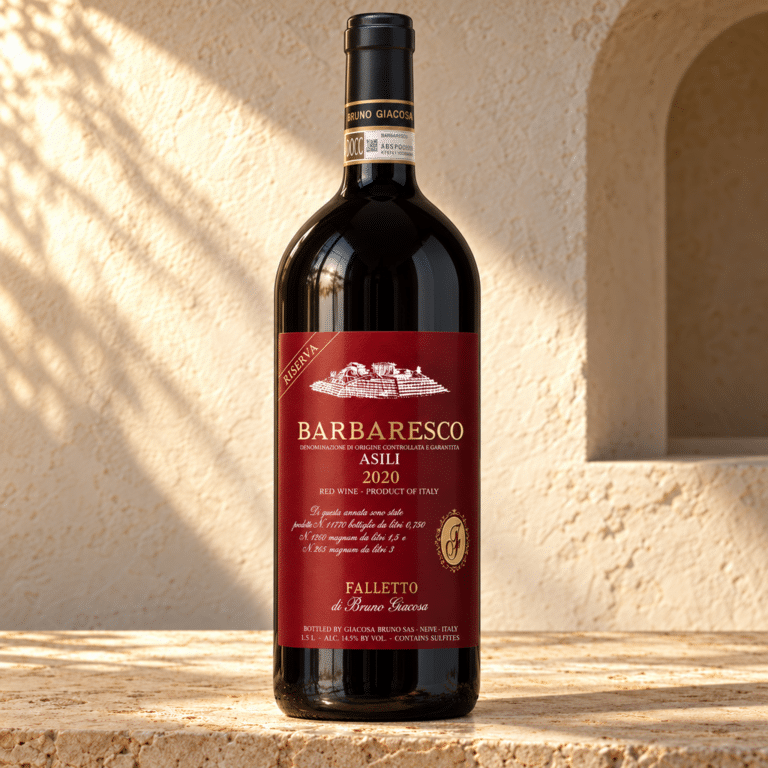
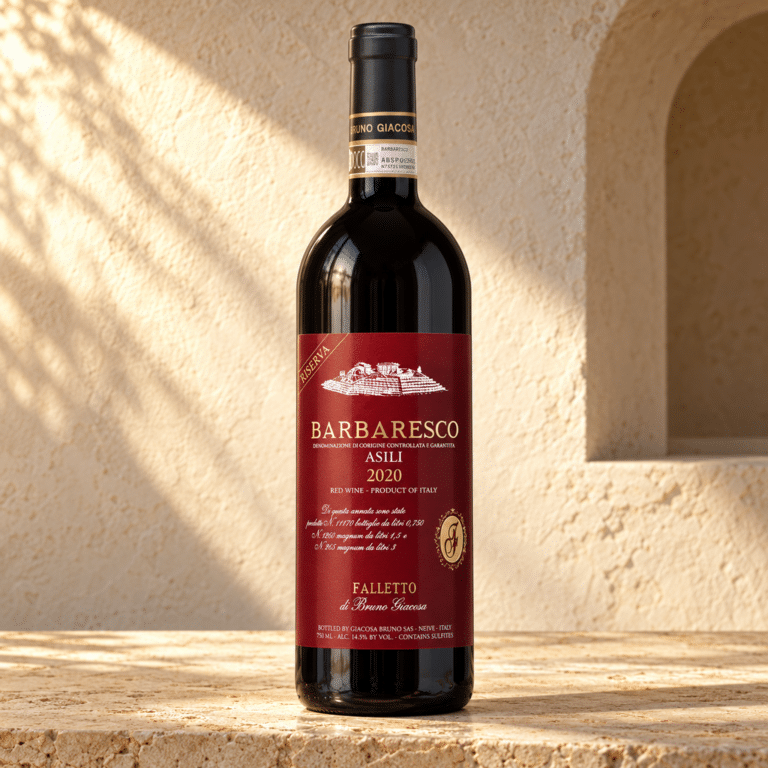
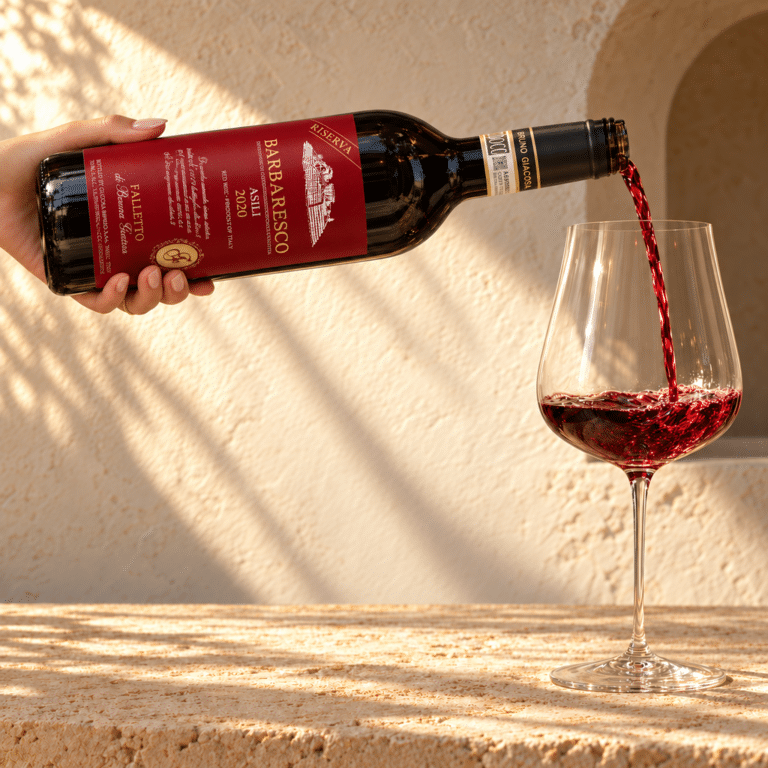
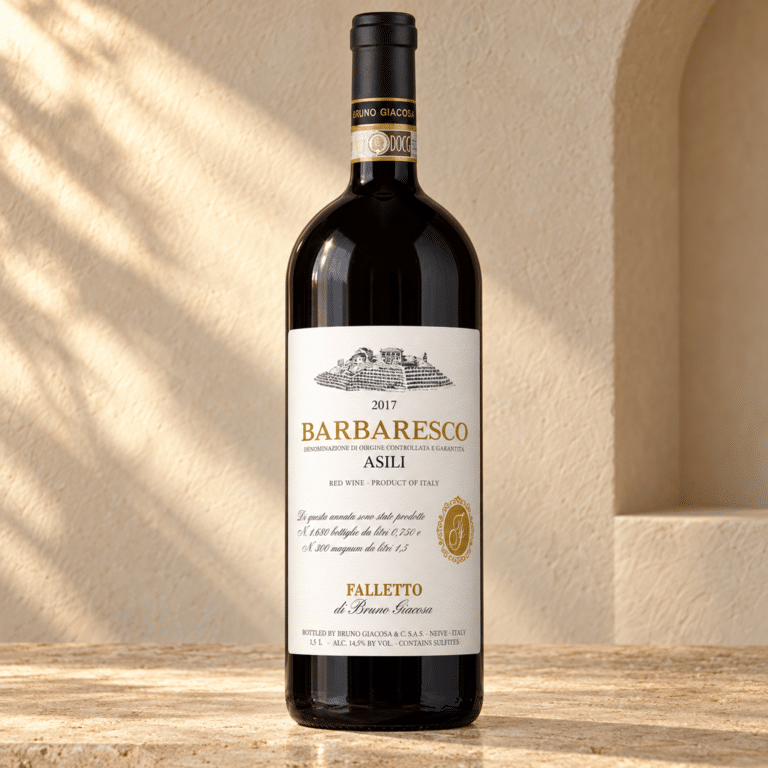
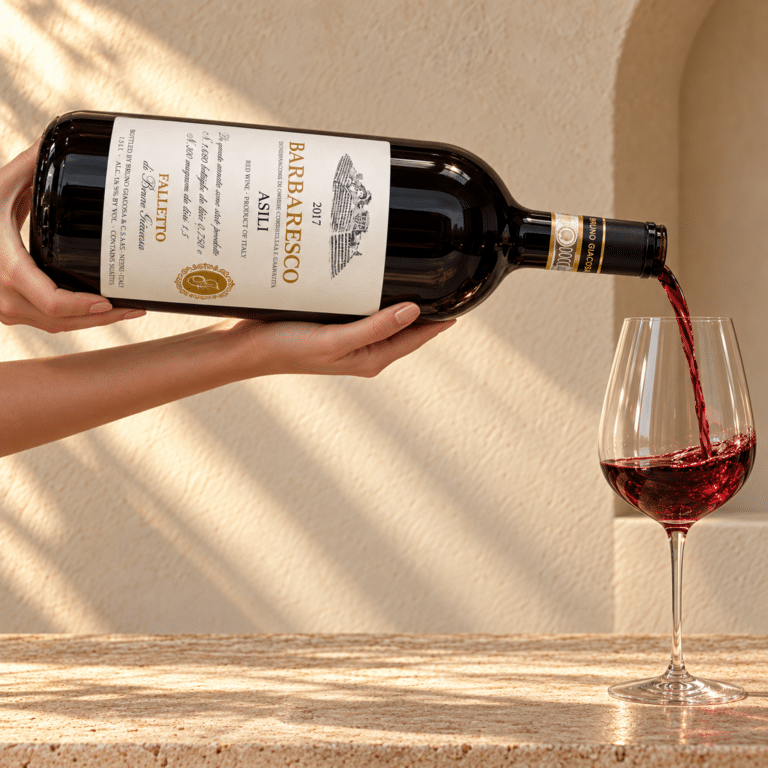
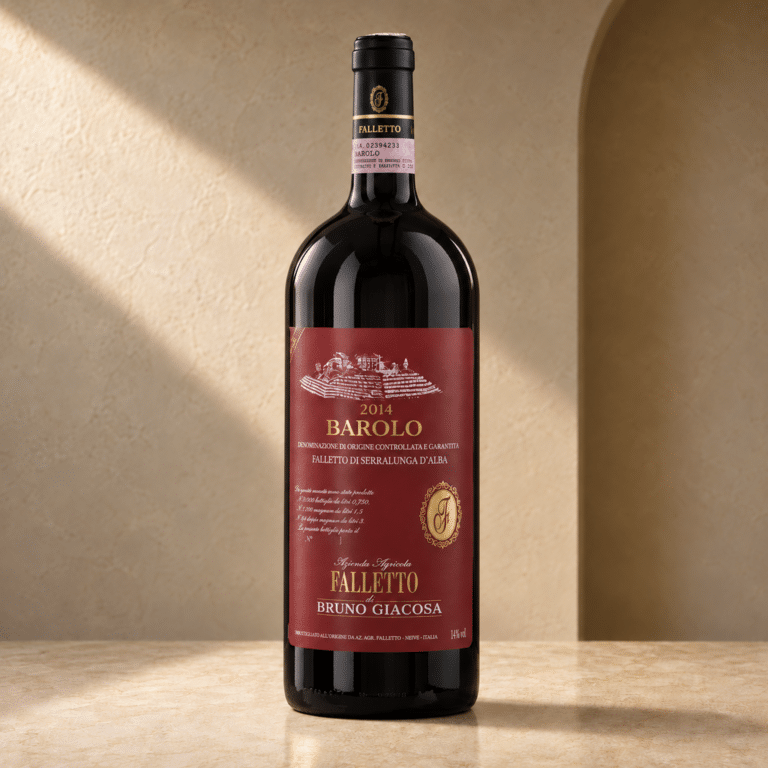
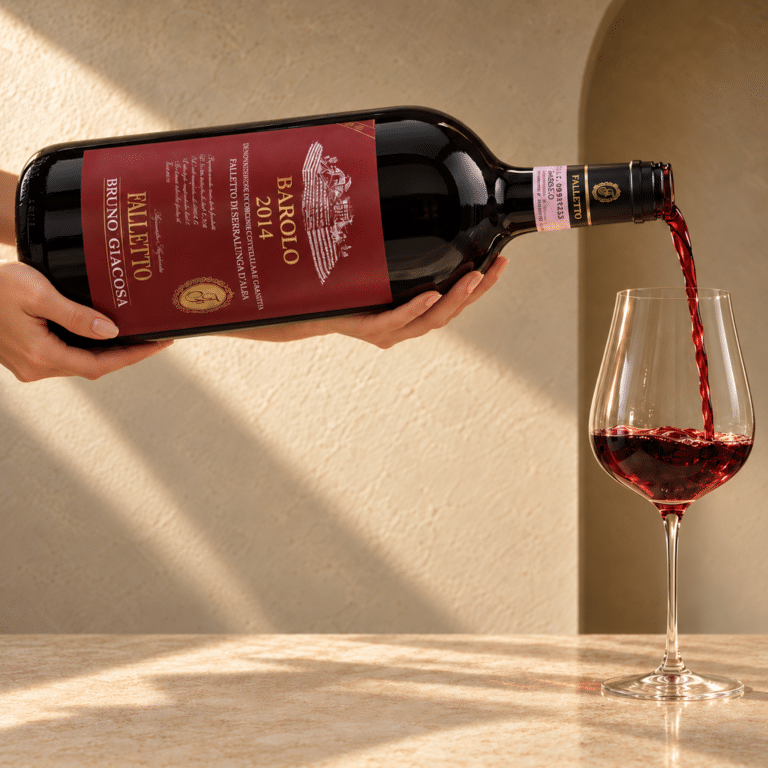
Few names carry as much weight in Piedmont as Bruno Giacosa, a producer admired for wines of exceptional purity that stay true to the classic character of Nebbiolo. Over a career of nearly eight decades, Giacosa became one of the most celebrated winemakers anywhere, best known for the single-vineyard Barolo and Barbaresco bottlings he made famous. He entered the family winery at 15, the third generation of a Langhe winemaking line. His exacting standards, exceptional palate and deep familiarity with the region's vineyards earned early acclaim and helped place Piedmont among the great wine regions of the world. Beginning in 1980, he purchased choice parcels in Serralunga d'Alba, La Morra and Barbaresco, sites that yield what many consider the definitive expressions of Nebbiolo. Today his daughter Bruna carries the estate forward, honoring his belief in time-tested methods supported by the best modern tools, so that each site speaks with its own distinct voice.
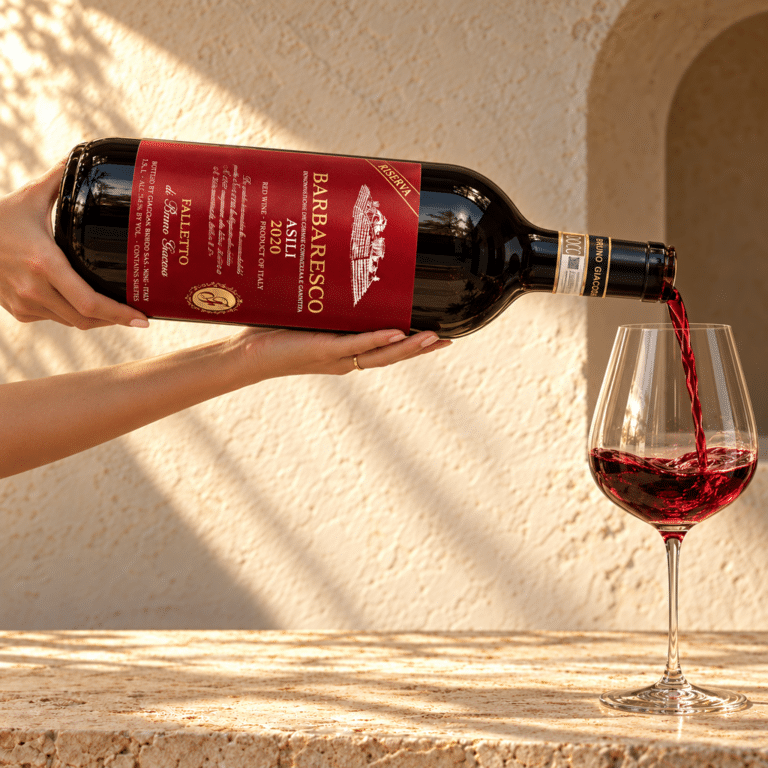
Headquartered in Neive, the estate earned its standing through careful vineyard selection and a light hand in the cellar, which lets the personality of its Barbaresco and Barolo sites come through. The wines are known for their grace, aromatic depth, structure and exceptional aging potential. The red-label Riserva bottlings stand among the estate's scarcest and most coveted releases. Bruno Giacosa continues to serve as a reference point for traditional Piedmontese winemaking and a striking voice of the region's terroir.
M. Chapoutier
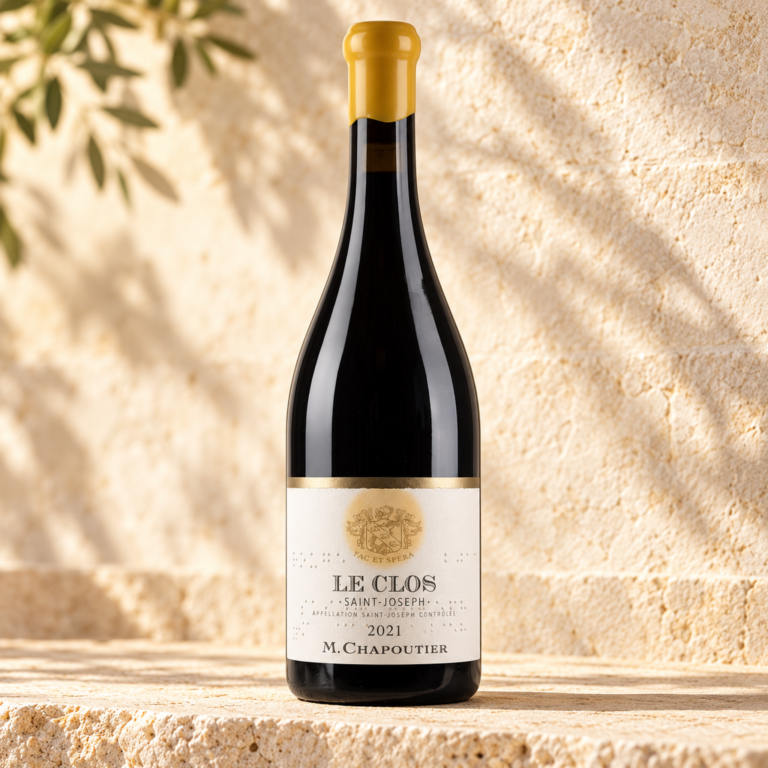
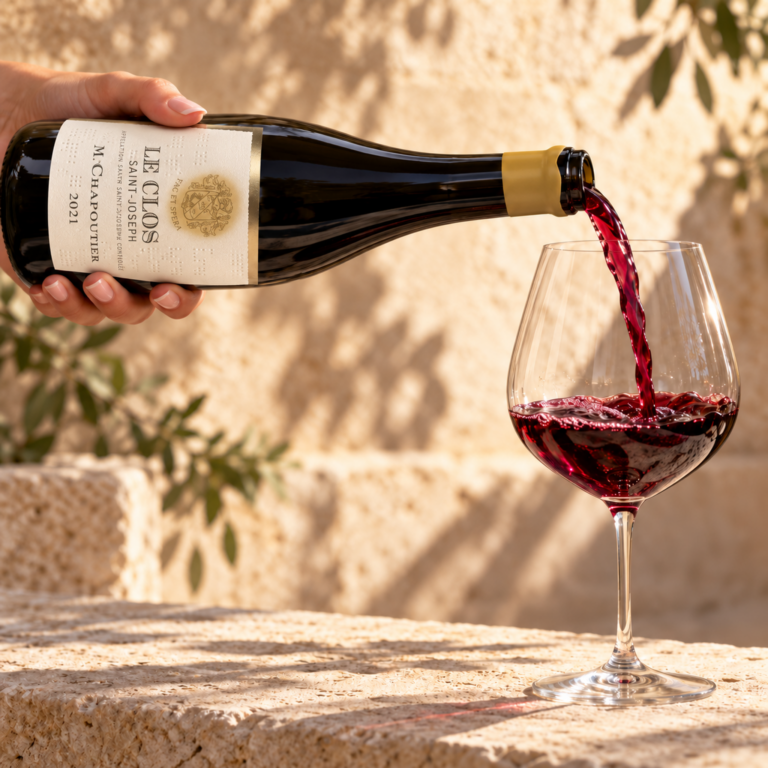
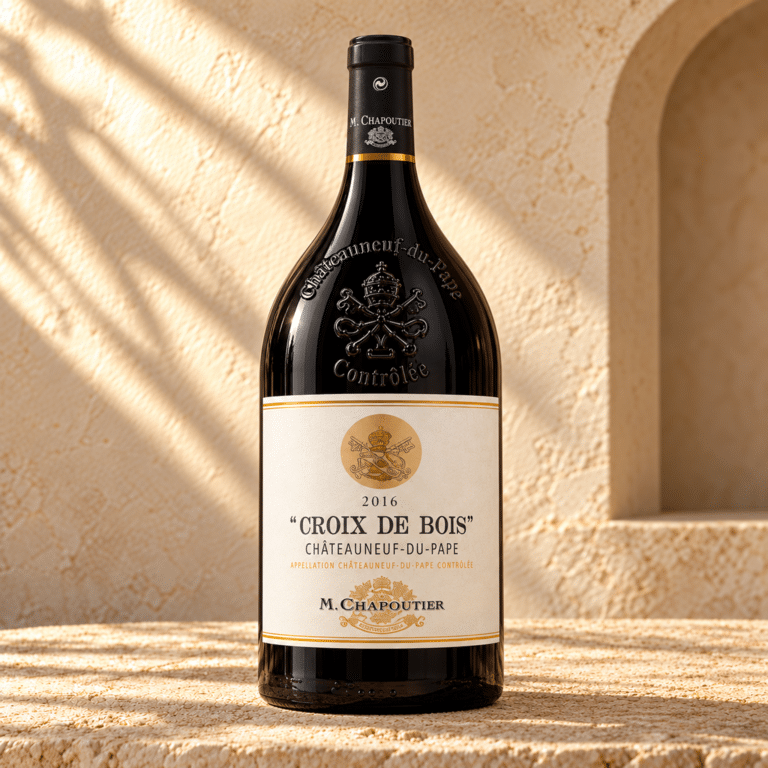
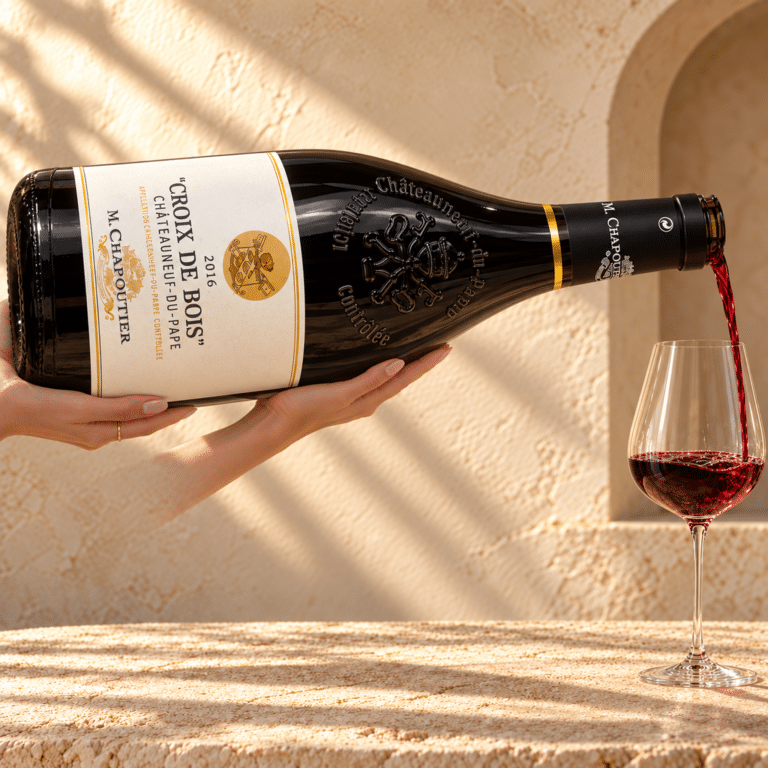
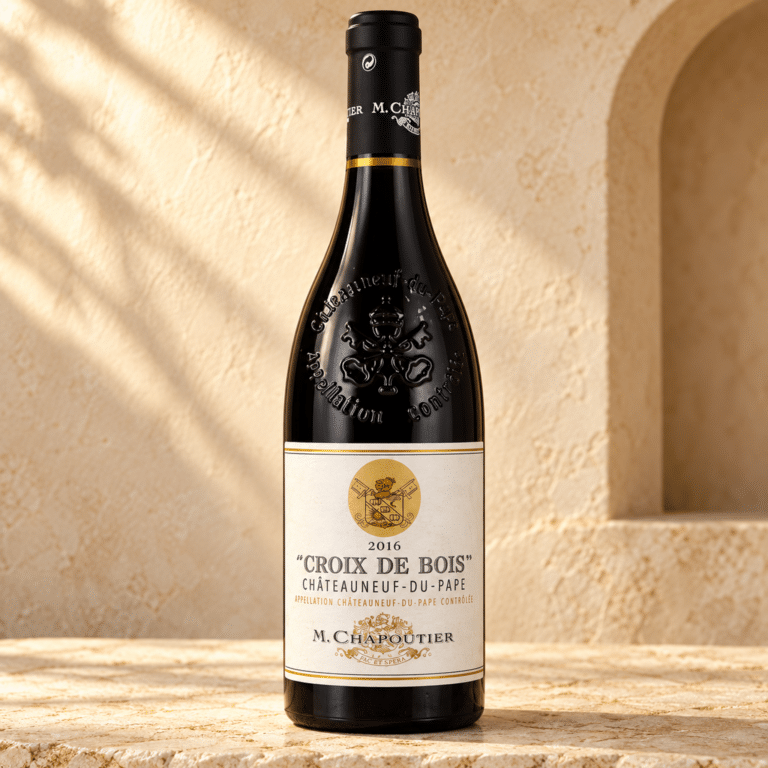
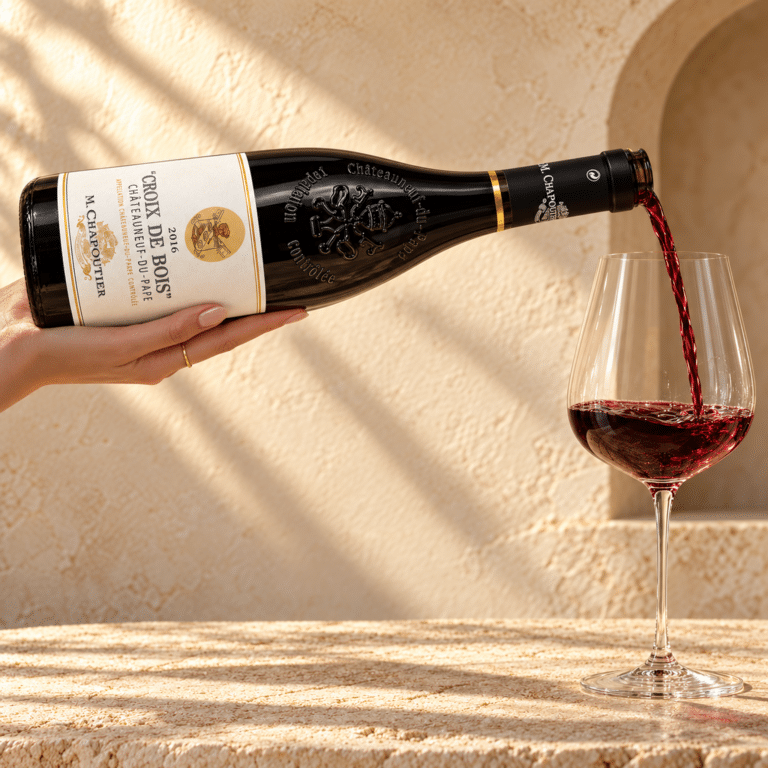
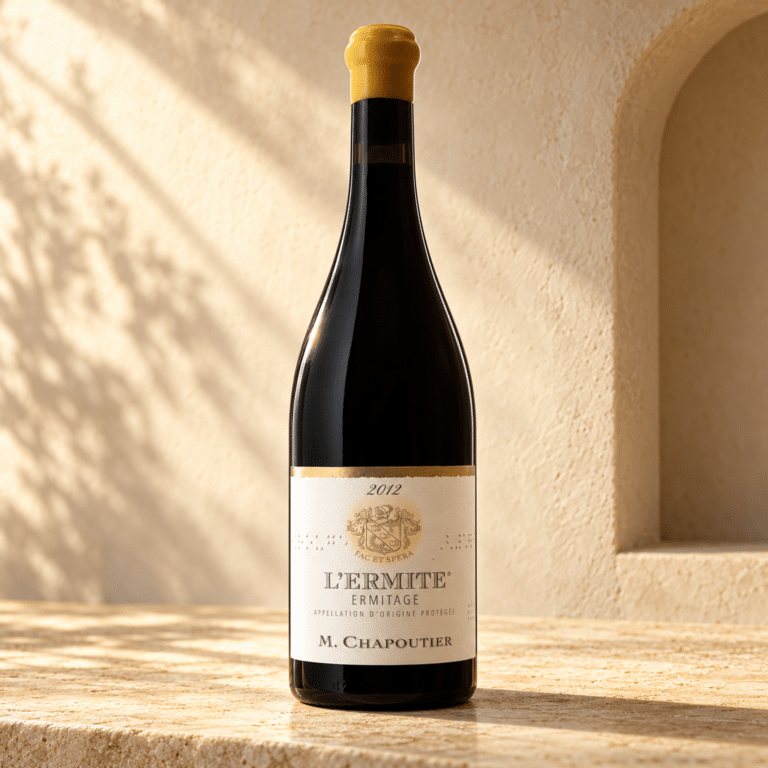
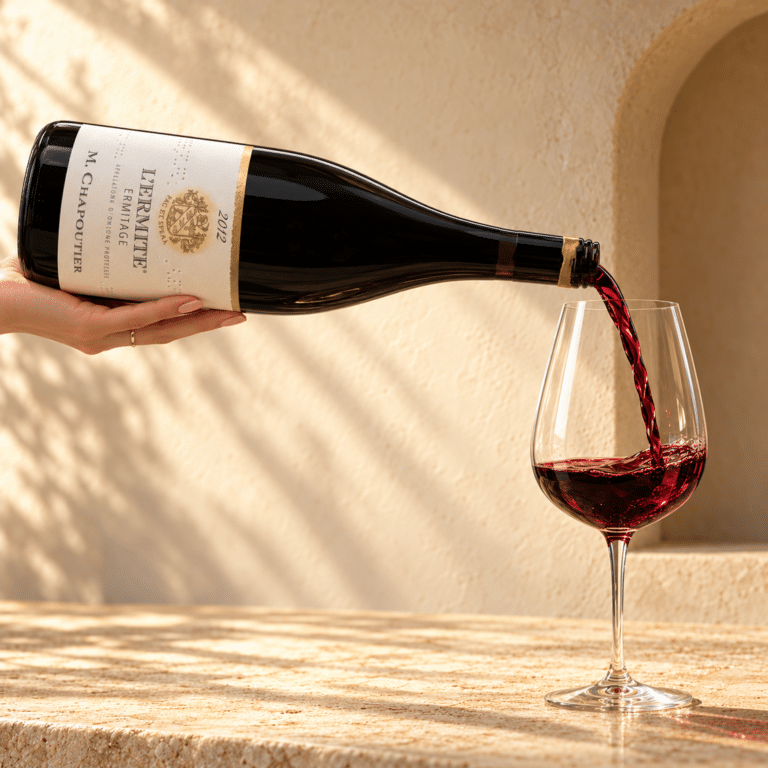
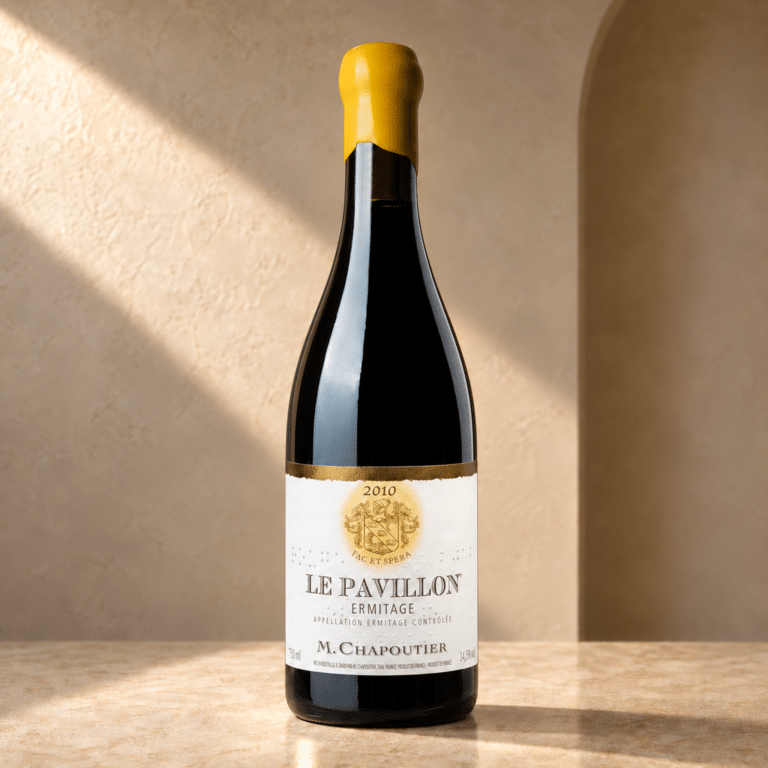
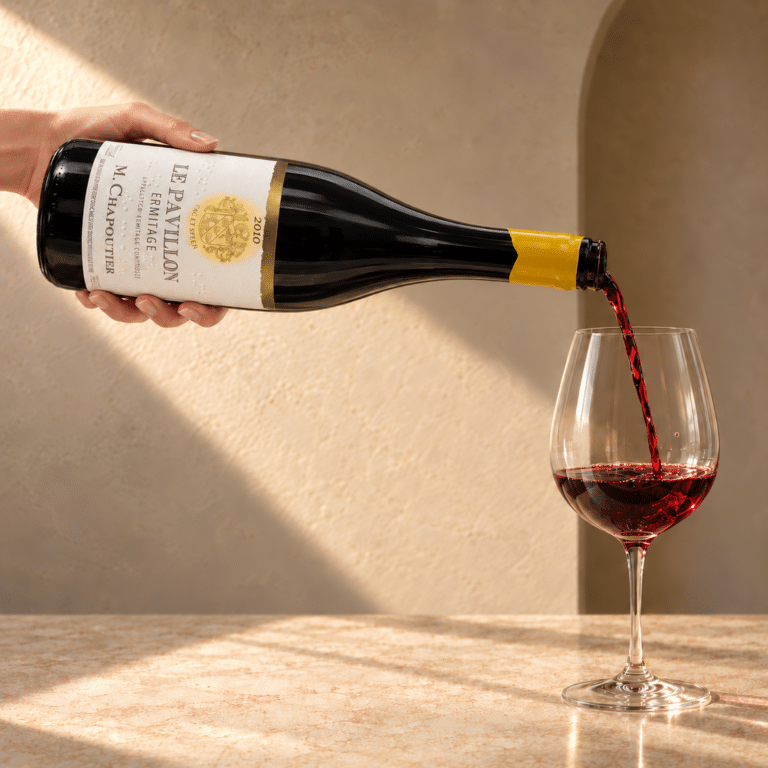
The Chapoutier name holds a distinguished place in Rhône Valley history, dating to 1808, when the family put down roots in the region. Through the 19th century and well into the 20th, M. CHAPOUTIER grew steadily, making wines from respected sites including Hermitage, Côte-Rôtie and Châteauneuf-du-Pape. A turning point came in 1990 with the arrival of Michel Chapoutier. A maverick winemaker, he launched bold initiatives, among them the Single Vineyard Selections, which express the singular terroir of each site, and wine labels embossed in braille for the visually impaired. Each decision then and now reflects his deep respect for soil, climate and people.
Michel Chapoutier holds that great wine comes only from healthy vines in a balanced ecosystem. Since 1990, Maison M. CHAPOUTIER has practiced biodynamic viticulture without compromise. Chemical pesticides and herbicides are banned. Organic matter feeds the vineyards, which protects and encourages the beneficial bacteria found in living soils. Decisions on pruning and harvesting follow the rhythms of the earth, sun and moon.
His respect for nature’s cycles drives him to keep learning, refining and imagining new possibilities. The results, the house says, have borne out this approach: M. CHAPOUTIER is described as the most awarded winery in the world, with more 100-point scores from Robert Parker and more ratings of 90+ than any other producer.
M by Michael Mondavi
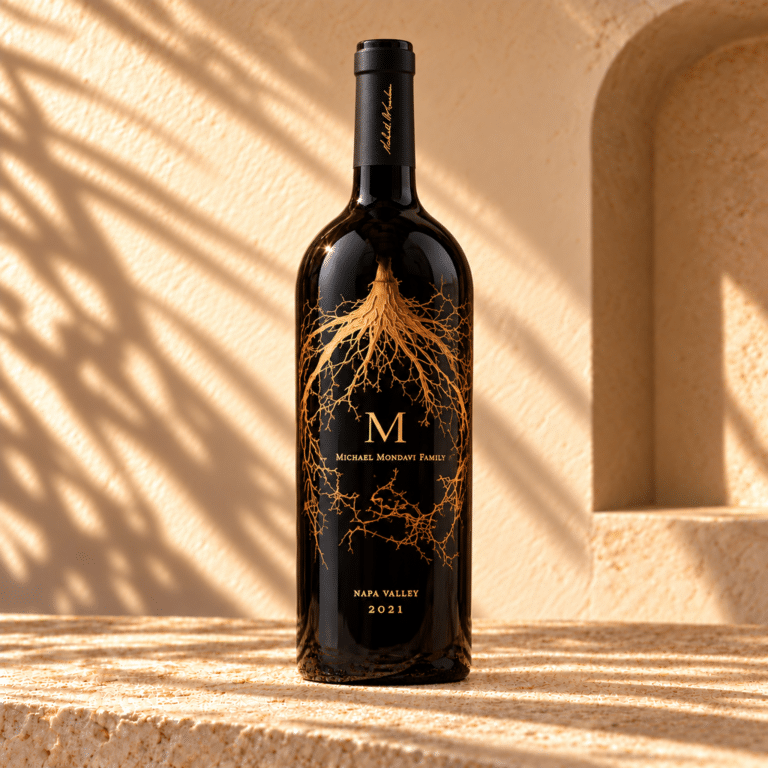
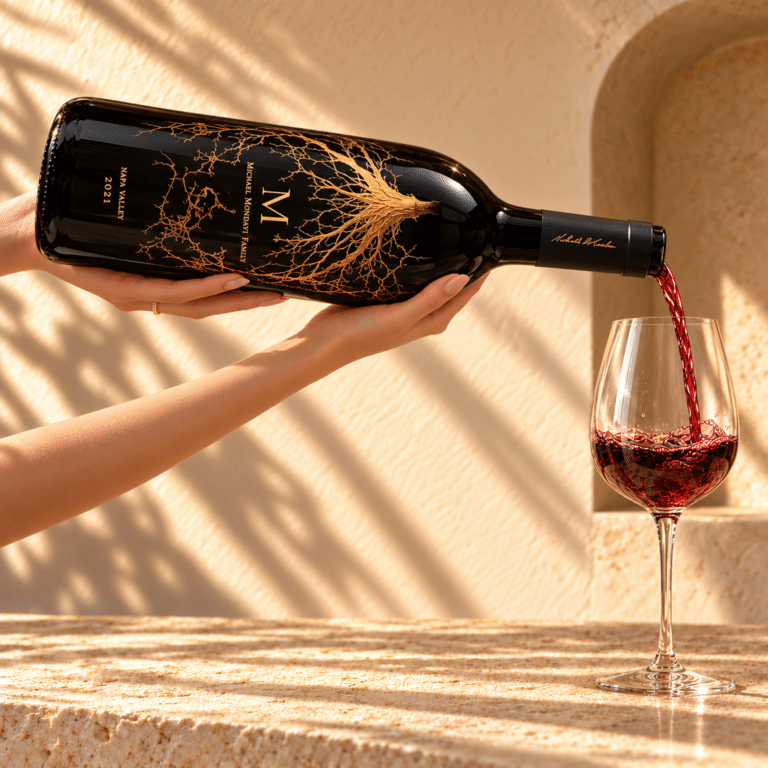
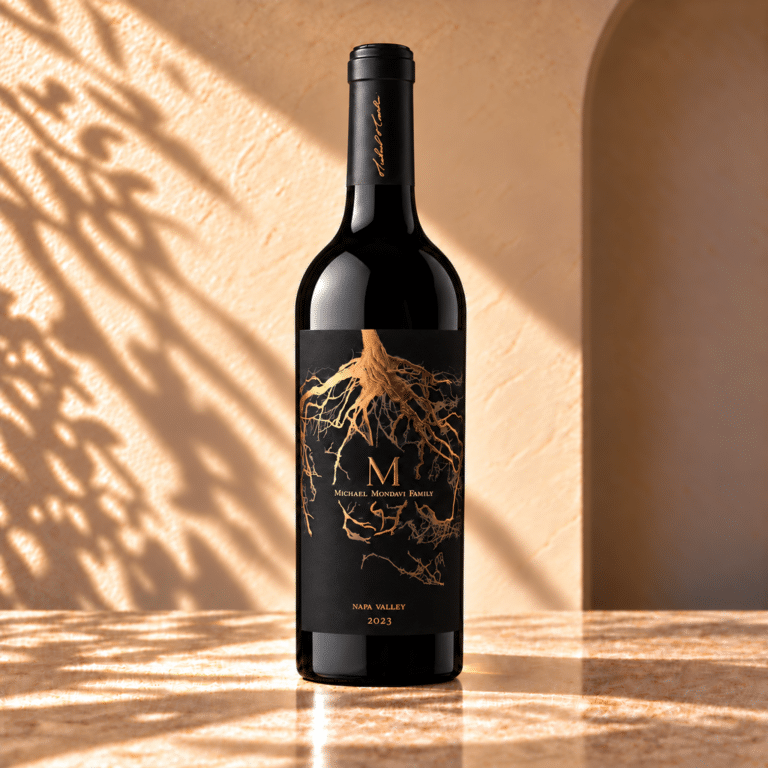
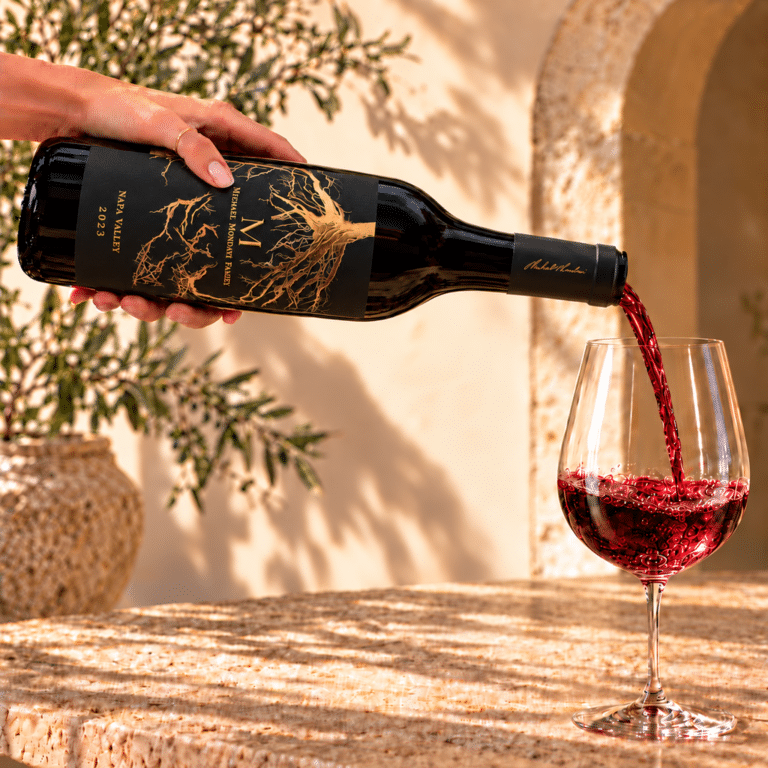
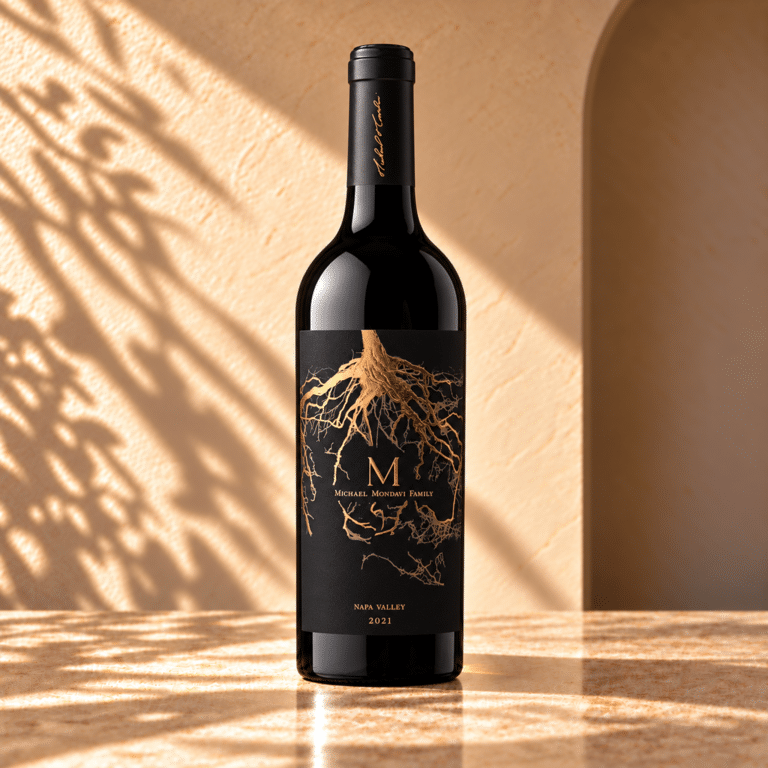
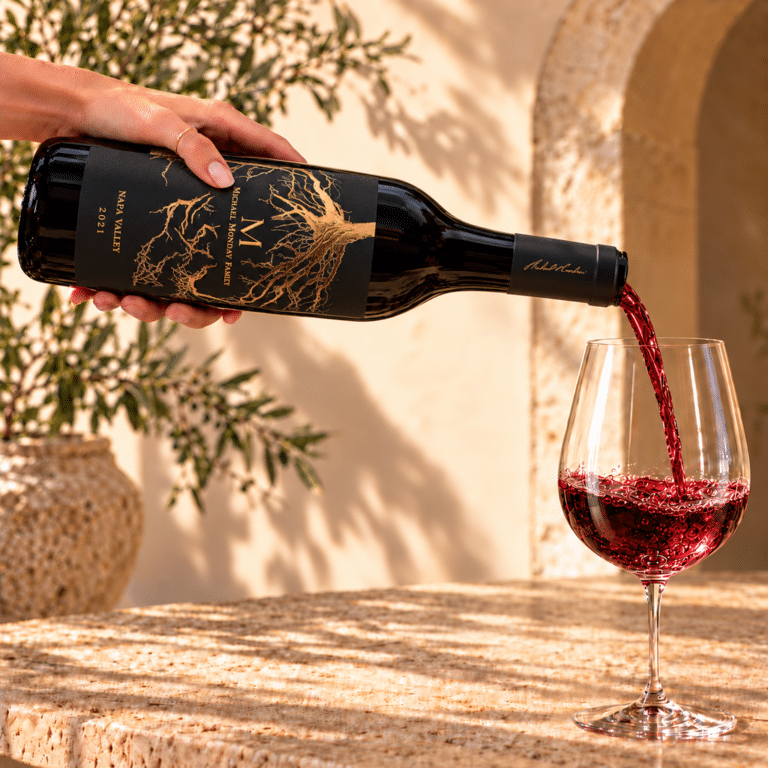
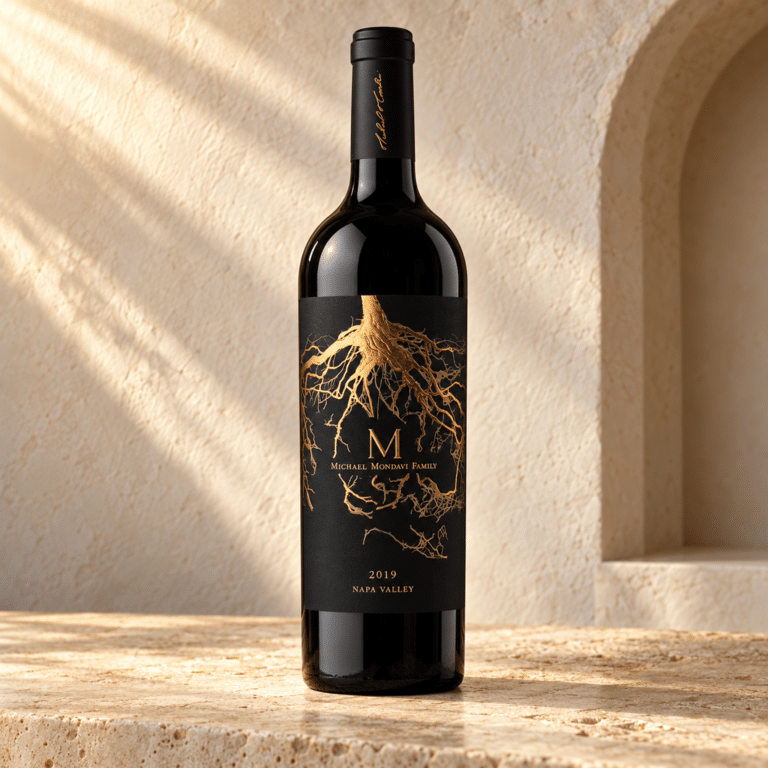
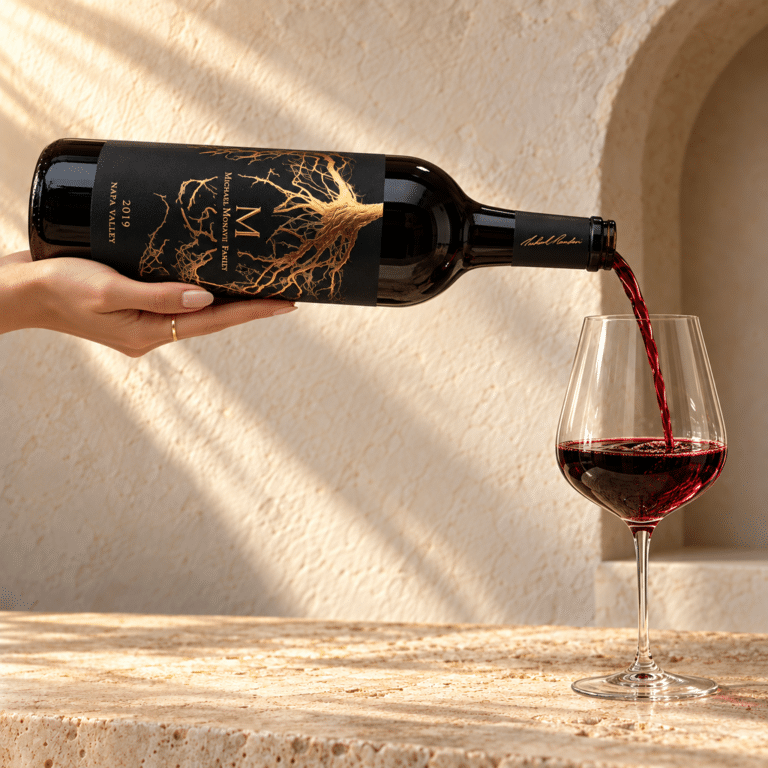
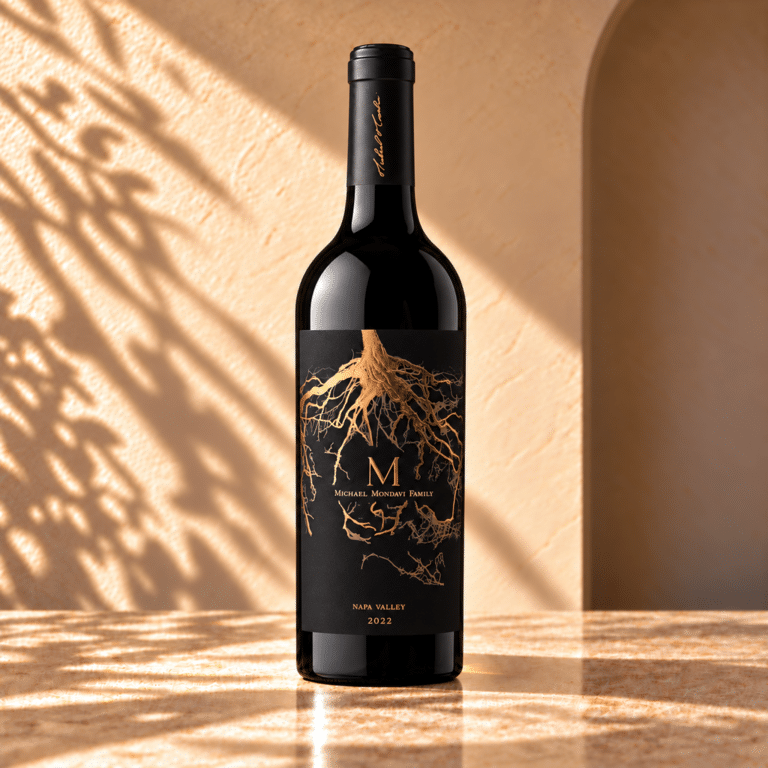
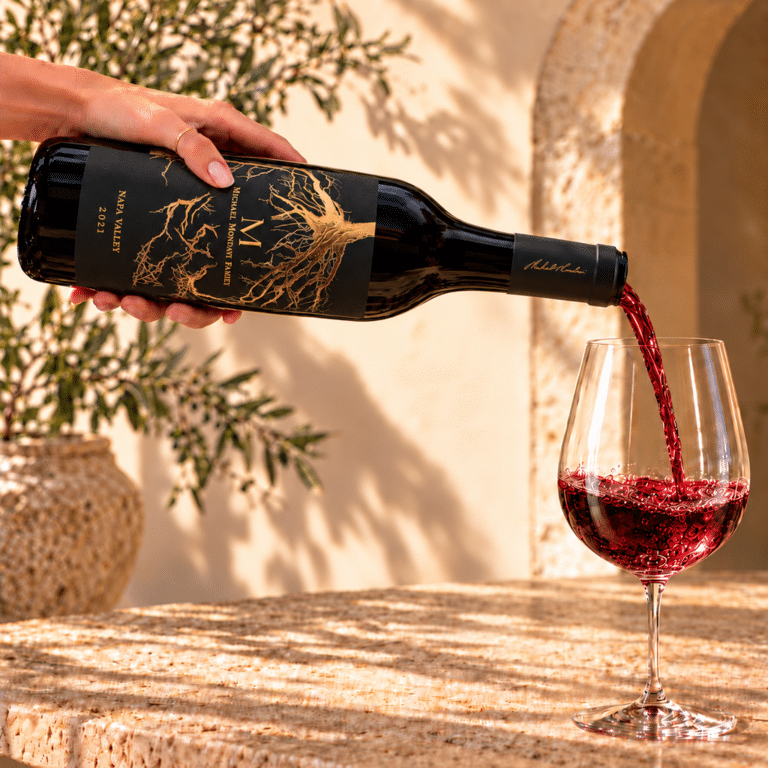
For four generations, the Mondavi name and spirit have been woven into the story of California’s Napa Valley. In 1999, Michael Mondavi, his wife Isabel, their son Rob Jr. and their daughter Dina acquired hillside land in Napa Valley for a vineyard. It was the first move toward making wines under the Michael Mondavi Family label. Emblem, Animo and M by Michael Mondavi Family honor Napa’s leading grape varieties, grown in high-quality vineyards and blended with balance and precision.
Michael’s grandfather, Cesare Mondavi, taught him to take pride in the land and to leave it healthy for the generations that follow. That lesson shapes how the family works today: the wines come from sustainably farmed vineyards, with attention to biodiversity. Michael’s grandmother Rosa urged him to make wines that people want to return to, a family value that still guides winemakers Sabrina Massola and Rob Mondavi, Jr. in the cellar.
The Michael Mondavi Family wines grow out of a deep family heritage and reflect the vision, integrity and passion of Michael Mondavi.
Isole e Olena
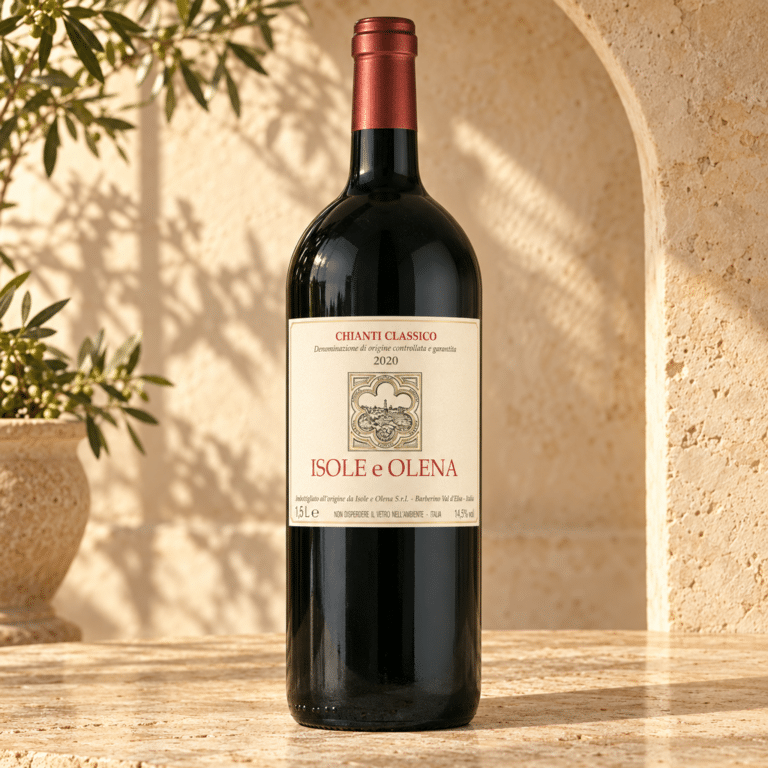
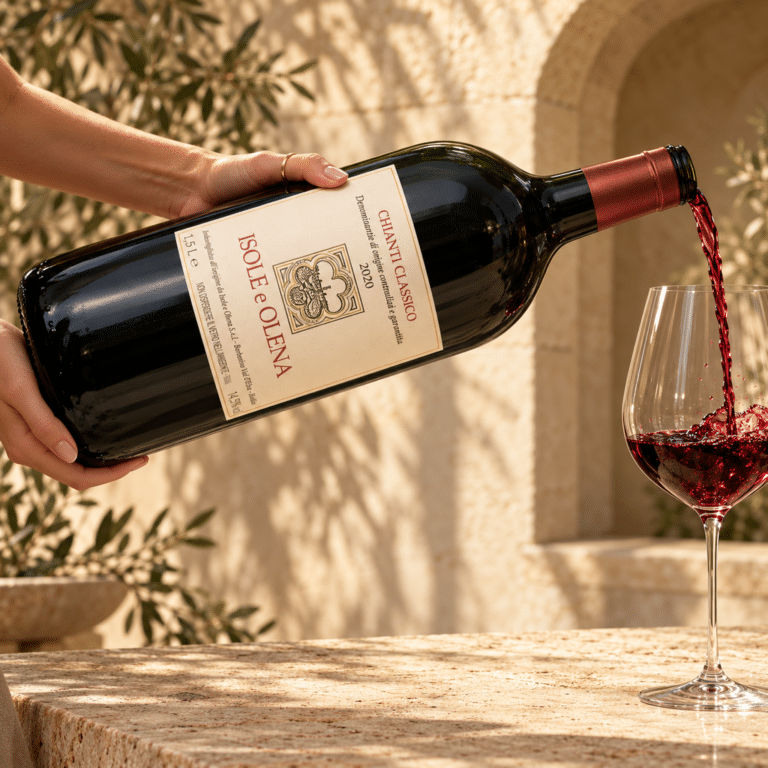
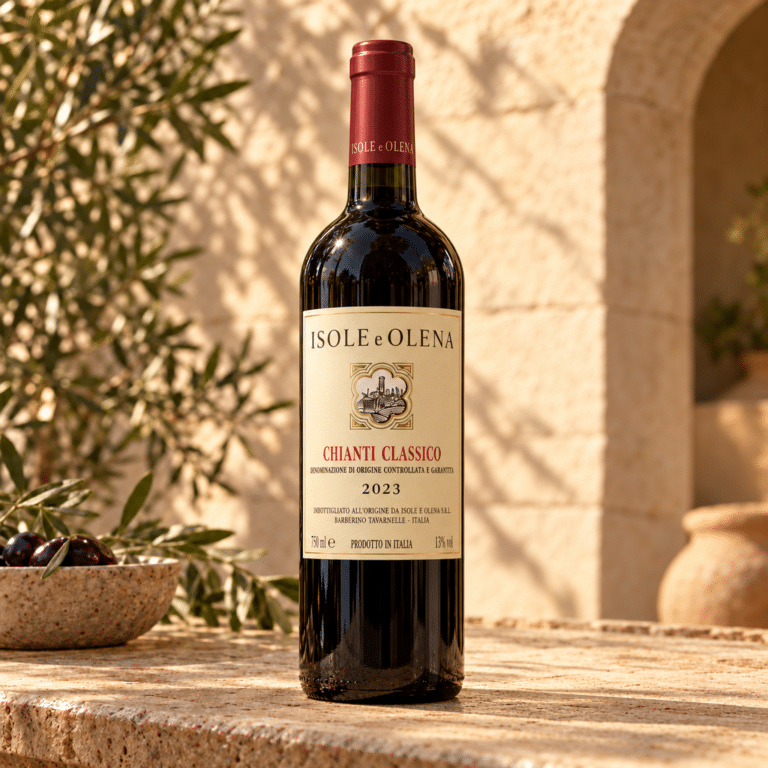
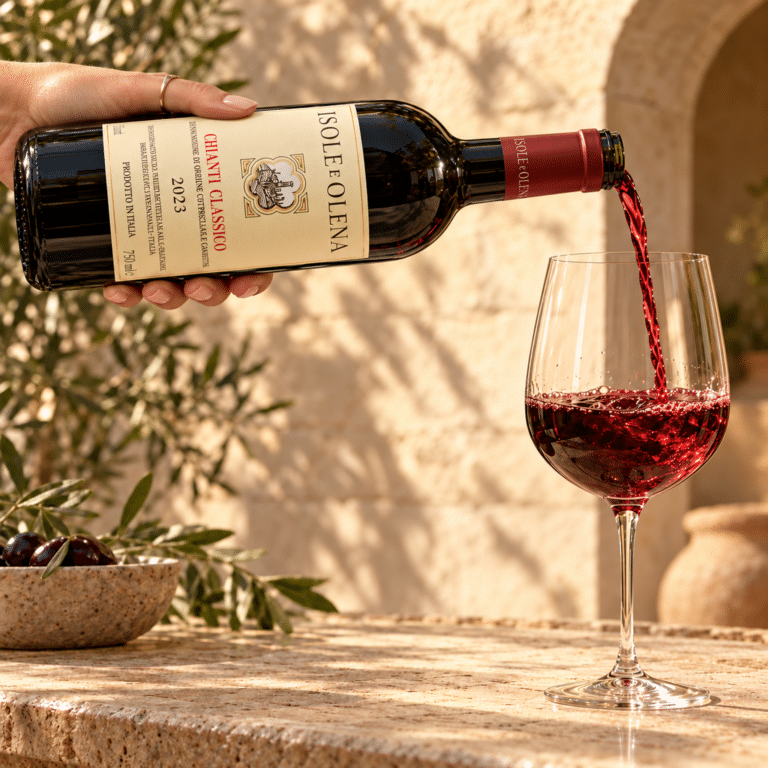
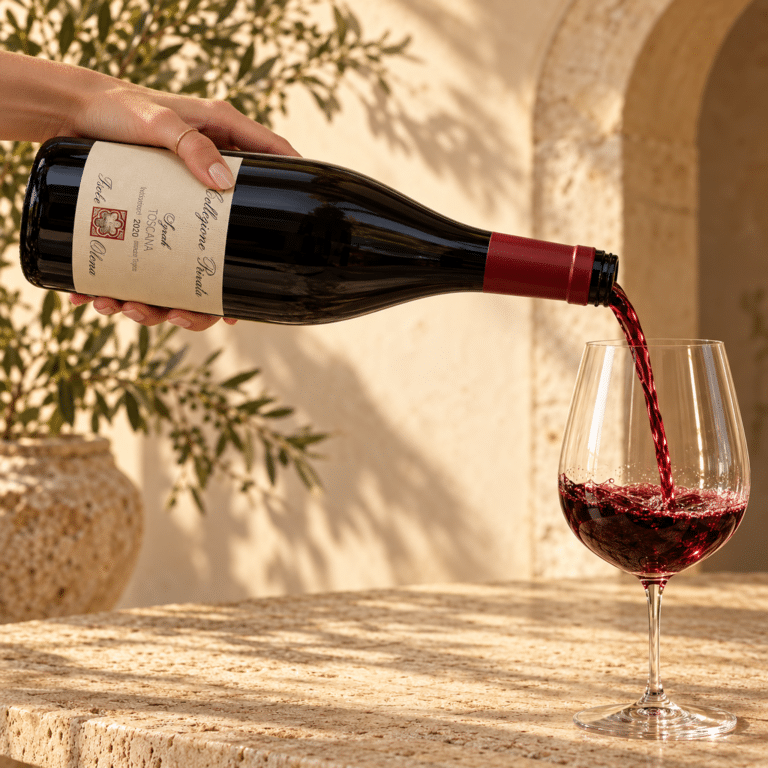
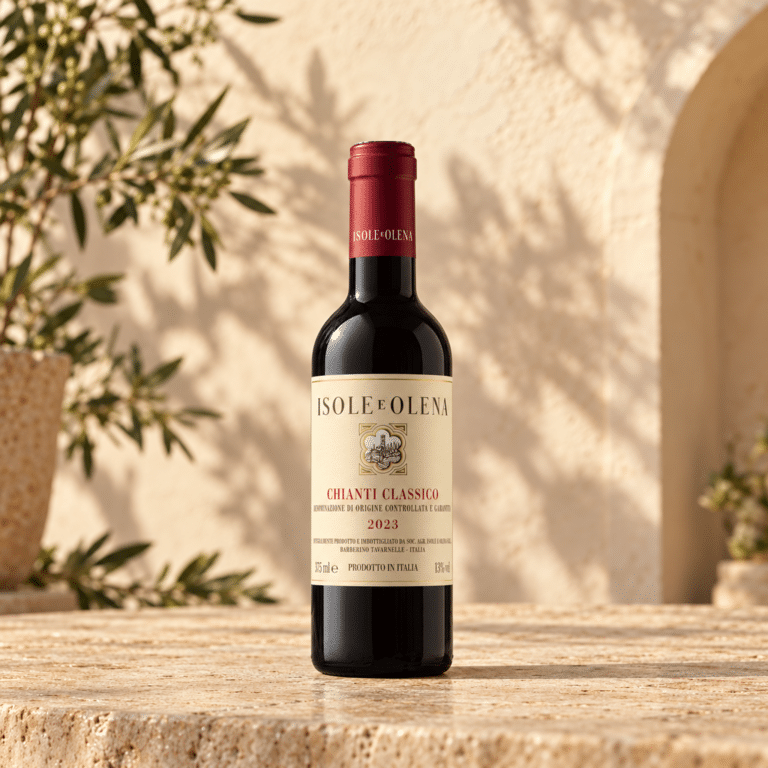
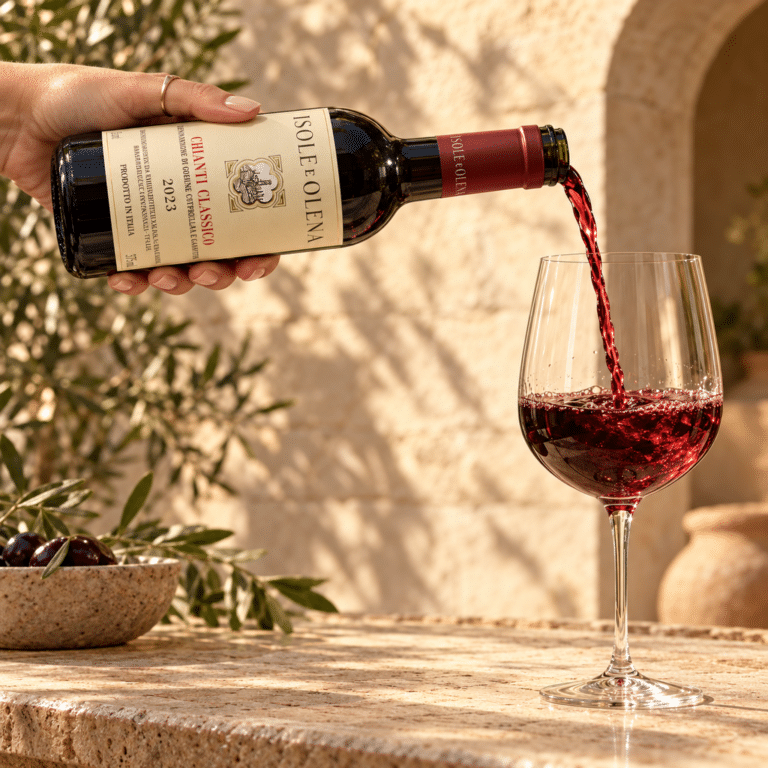
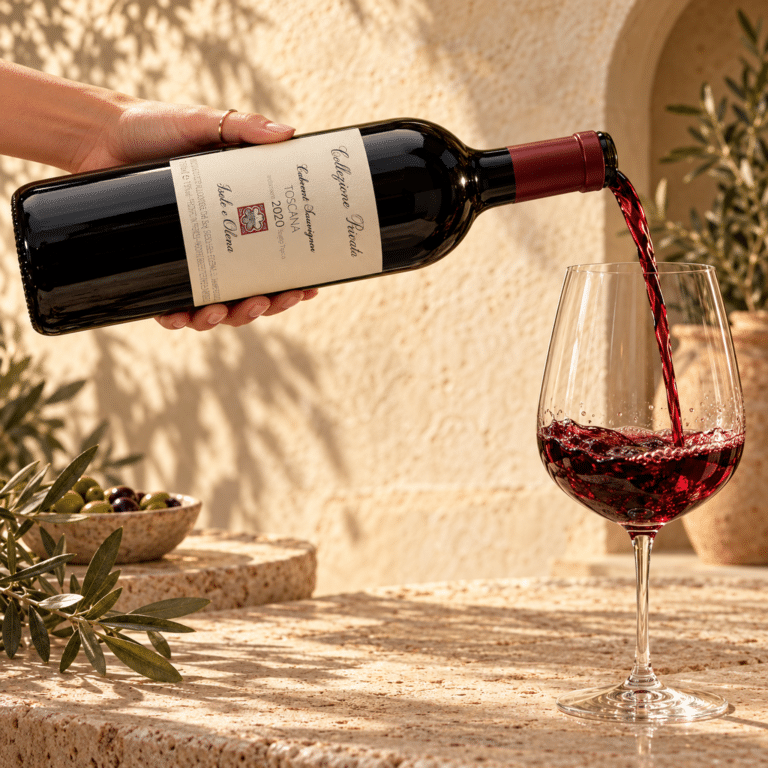
Francesco De Marchi established this historic Chianti Classico estate in 1956. It lies in the western part of the denomination, close to Castellina in Chianti, in the commune of Barberino Val d’Elsa. The estate’s 56 hectares (138 acres) of vines rise from 350 to 450 meters (1,148 to 1,476 feet) above sea level, planted in galestro and marly schist soils. Paolo De Marchi, Francesco’s son, took over in 1975 and opened a new chapter for Isole e Olena. Trained in agricultural studies, he began his overhaul in the vineyards. His experiments pursued a clear aim: raise the quality of the region by improving the performance of local varieties, chiefly Sangiovese, through massal selection and by mapping the galestro-rich soils. His approach placed Isole e Olena among the pioneering estates behind the quality renaissance of Chianti Classico that began in the 1970s, and it became a point of reference for the area.
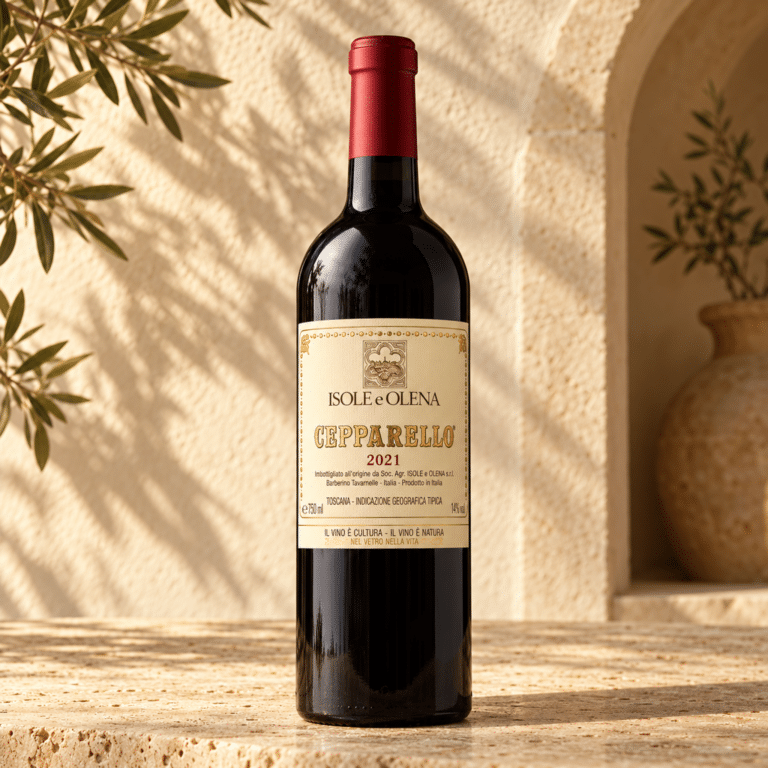
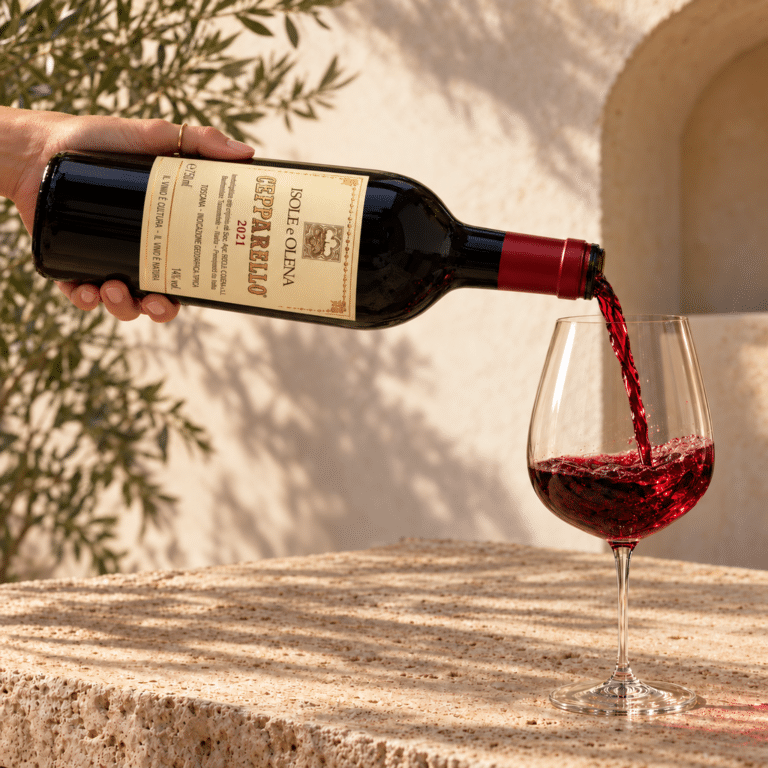
The first Cepparello was bottled in 1980, a barrique-aged Sangiovese from old vines that has since become the estate’s emblem. It was initially labeled “vino da tavola” (table wine) and later ranked among the first Super Tuscans, revealing the character and aging capacity of Sangiovese grown in this high-elevation corner of Chianti Classico. The wine reflects Paolo’s long study of Sangiovese and his conviction in what the grape can express. In 2022, Isole e Olena began a new era under the ownership of Christophe Descours’ Groupe EPI, with Emanuele Reolon named estate director. Their aim is to honor Paolo De Marchi’s legacy while pursuing lasting quality. Careful viticulture, restrained winemaking and a faithful expression of terroir remain the priorities.
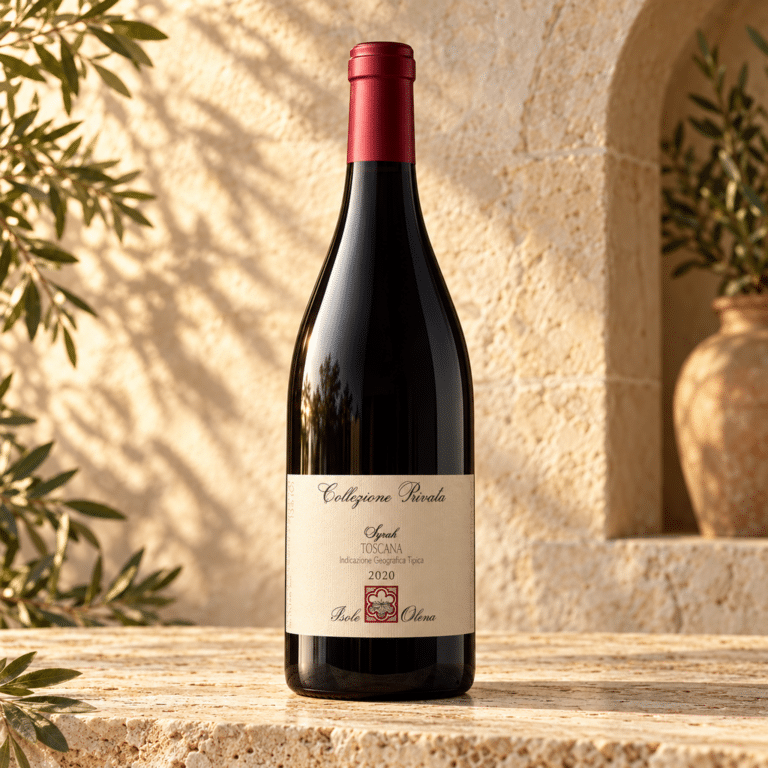
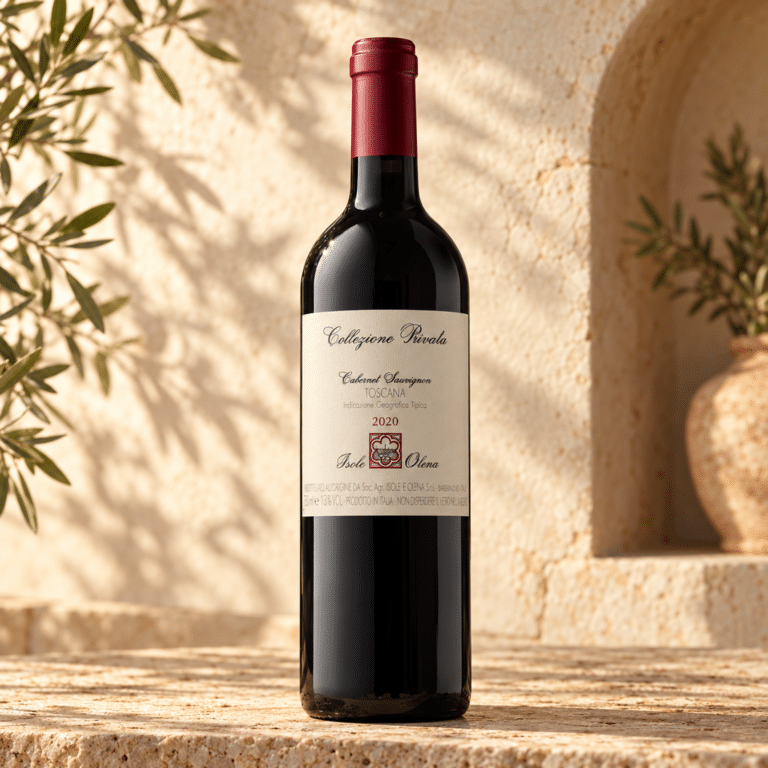
Today, the estate is known for its pivotal role in shaping modern Chianti Classico and for a transparent, authentic style: fragrant, balanced wines marked by pure fruit and the freshness that comes with elevation. Besides Chianti Classico and Cepparello, Isole e Olena makes a small selection of varietal wines, including Chardonnay, Syrah and Cabernet Sauvignon, along with a highly regarded Vin Santo.
Animo
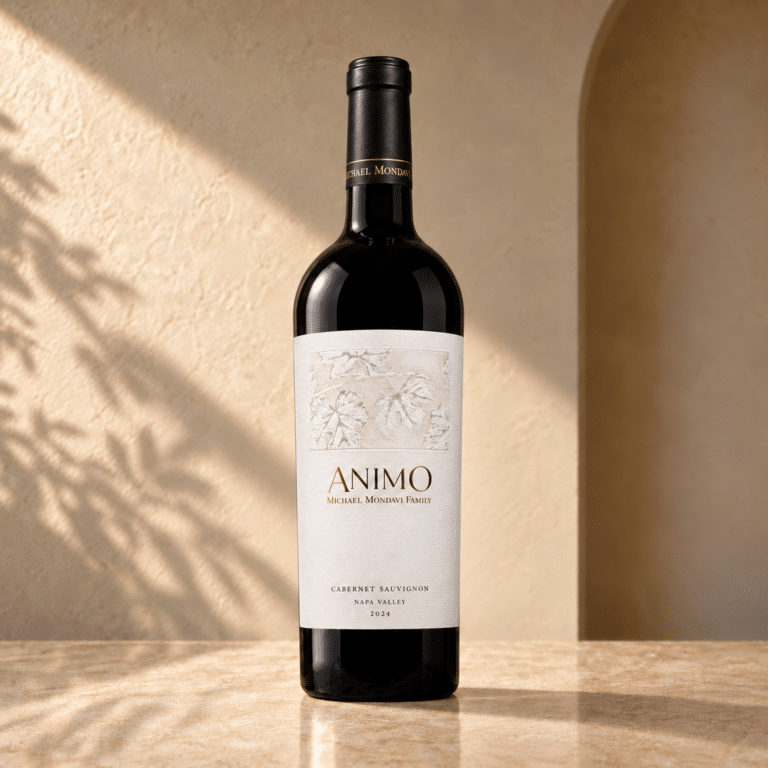
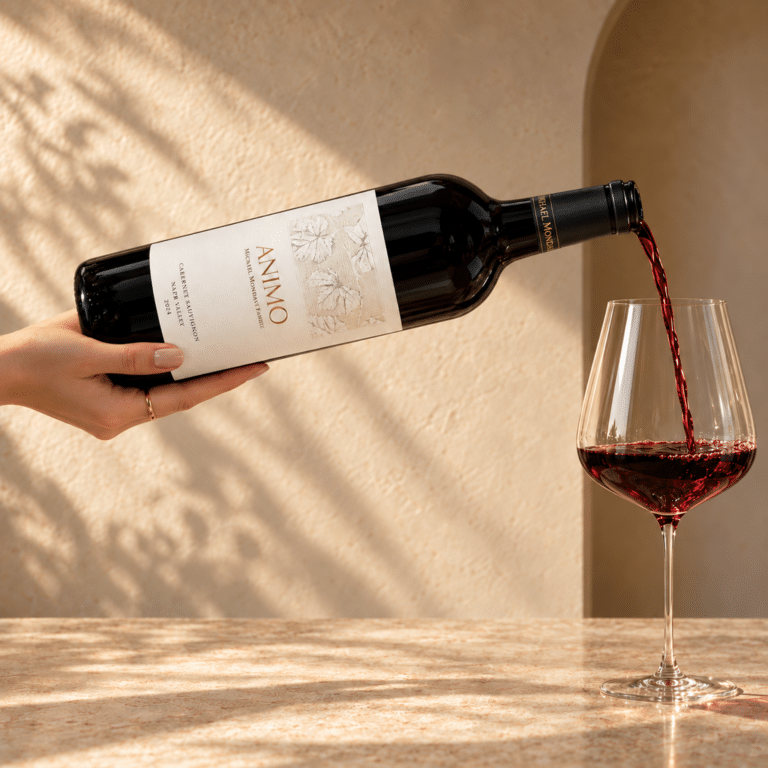
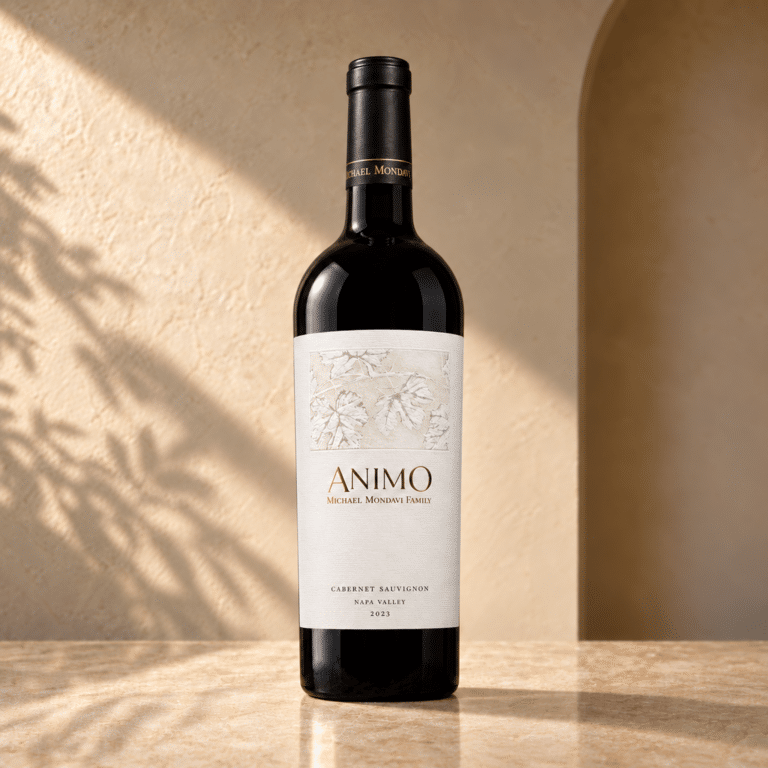
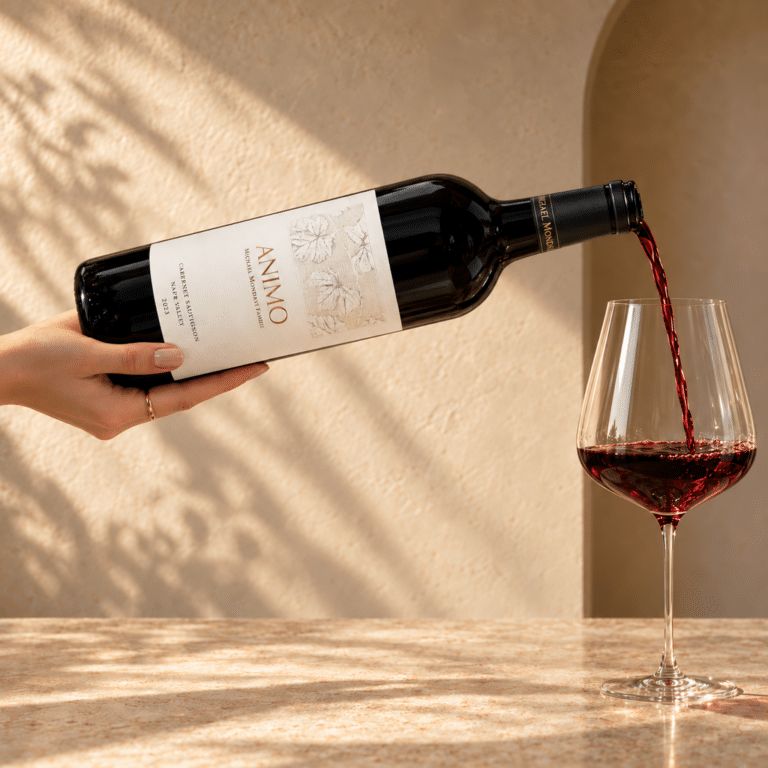
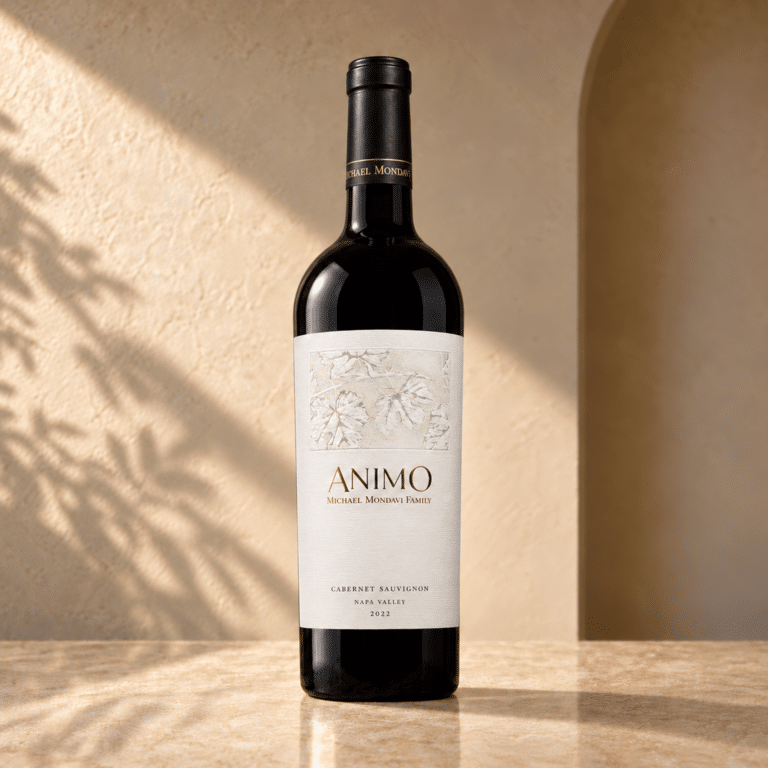
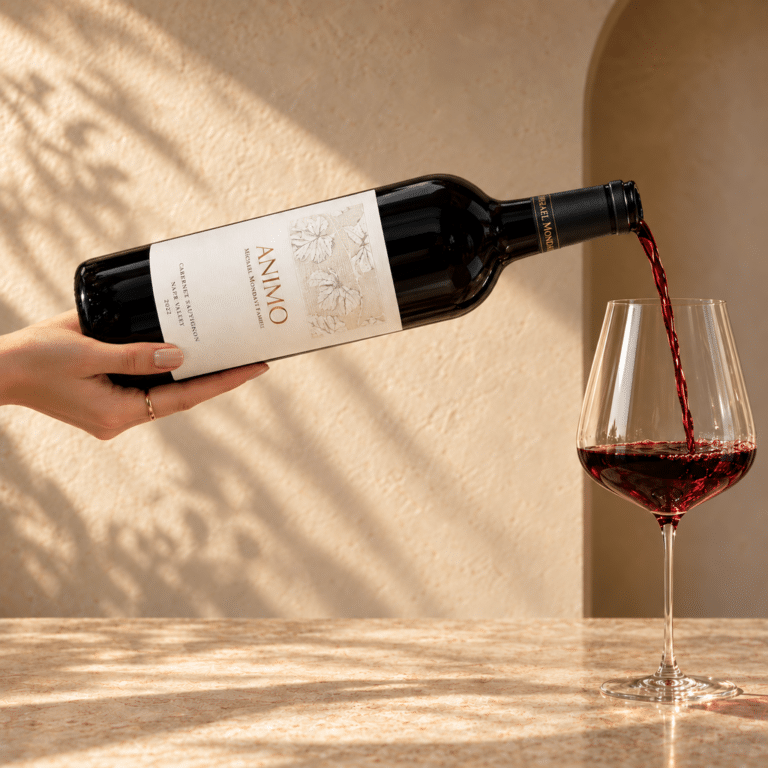
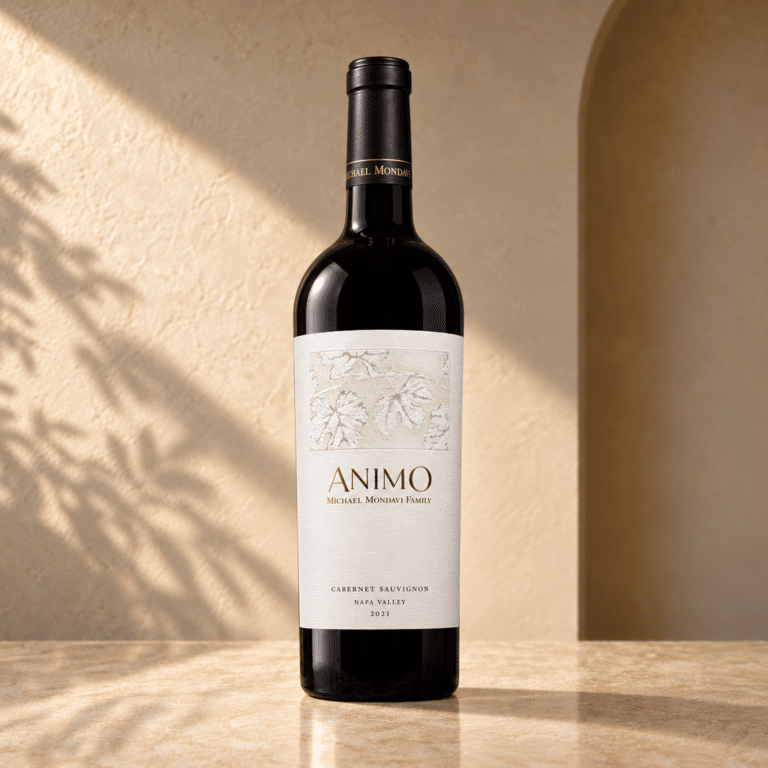
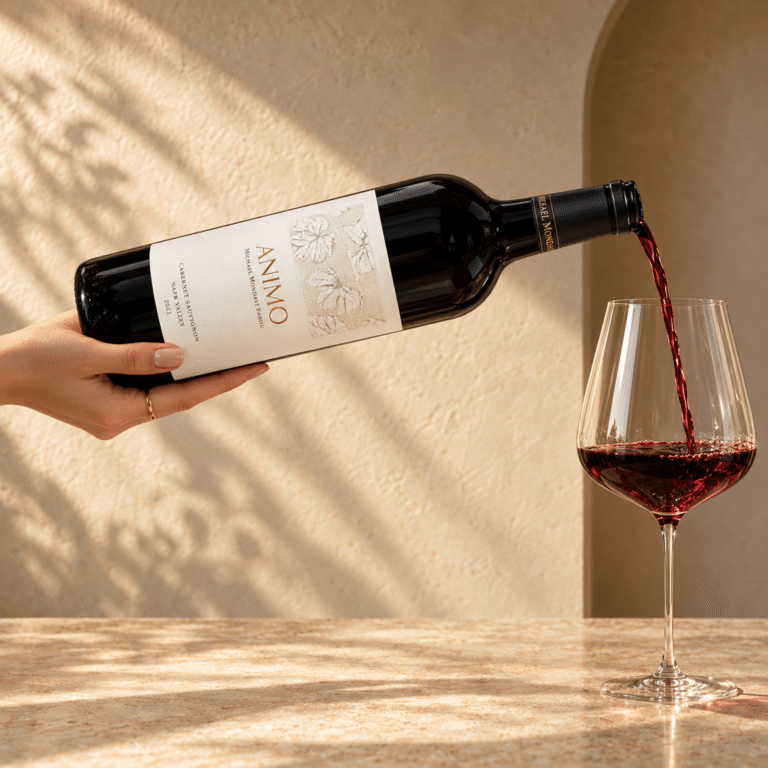
Rooted in the rich winemaking heritage of Napa Valley, Animo Wines represents Michael Mondavi’s lifelong passion for crafting exceptional wines that express a true sense of place. Born from a vision to create wines of remarkable character and distinction, Animo draws its inspiration from the family’s vineyards high atop Atlas Peak. Here, the rugged mountain terrain, volcanic soils, and distinctive growing conditions provide an ideal environment for cultivating grapes of extraordinary depth, structure, and elegance. Each wine reflects the unique character of this celebrated Napa Valley appellation, capturing the harmony between nature, vineyard, and craftsmanship.
Animo, meaning “spirit” or “soul” in Italian, embodies the pioneering spirit and dedication to excellence that have defined the Mondavi family for generations. Guided by a philosophy that great wines begin in the vineyard, Michael Mondavi brings together decades of winemaking knowledge, thoughtful vineyard stewardship, and a deep respect for the land. The result is a collection of sophisticated, expressive wines that balance richness with finesse, offering an authentic reflection of their mountain origins. More than a tribute to family tradition, Animo celebrates the enduring pursuit of quality and the distinctive beauty of Napa Valley winemaking.
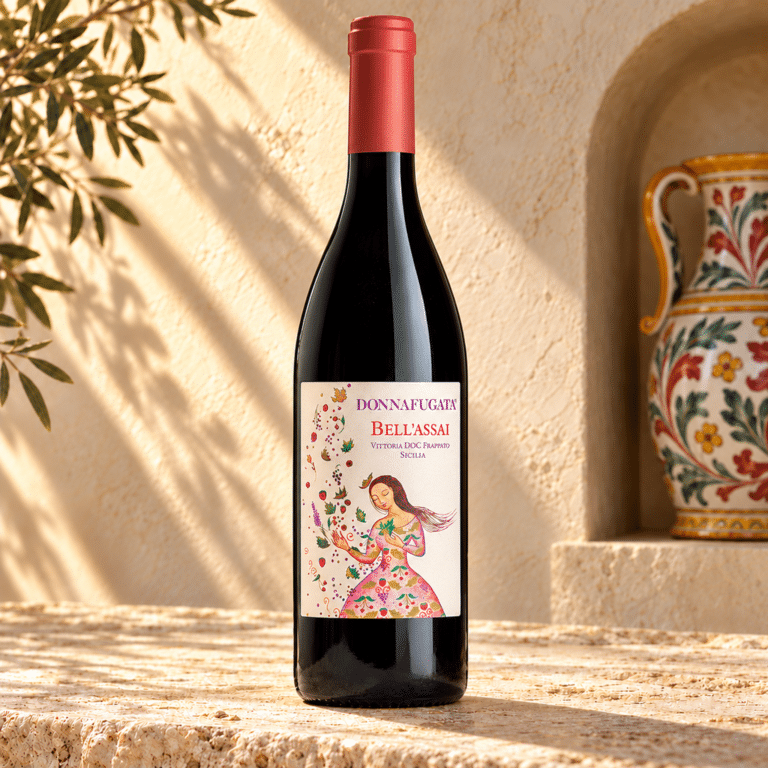
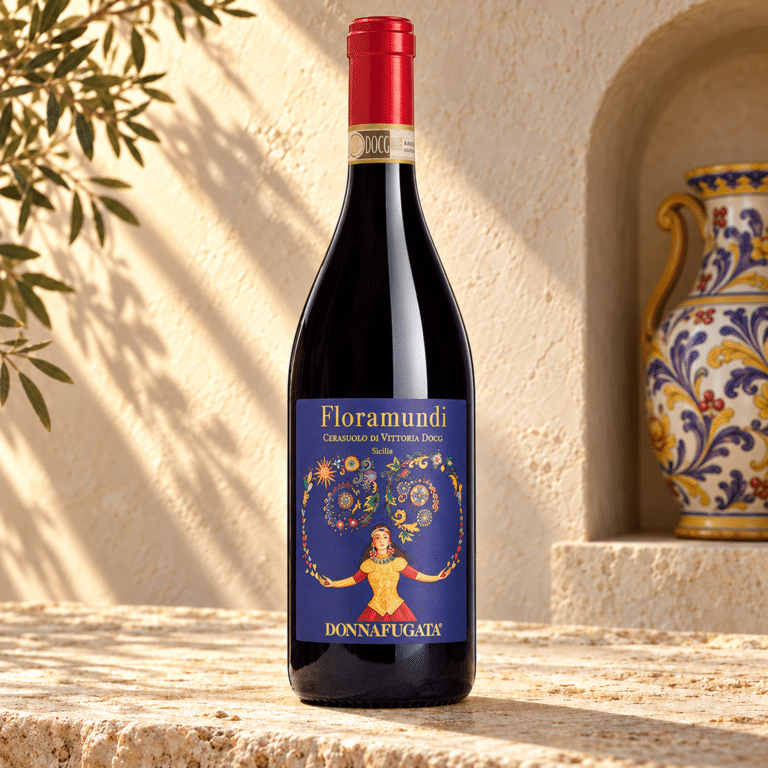
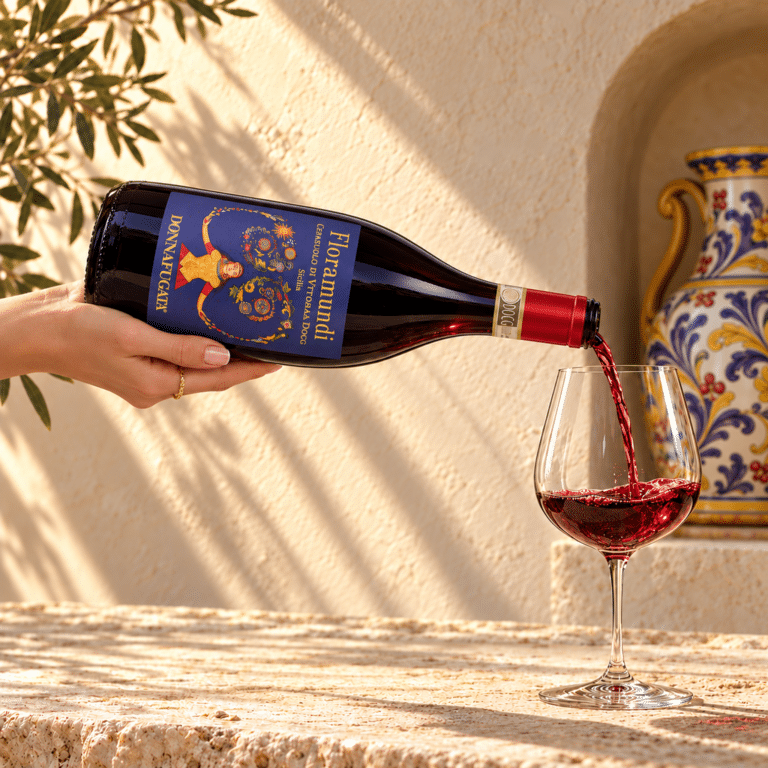
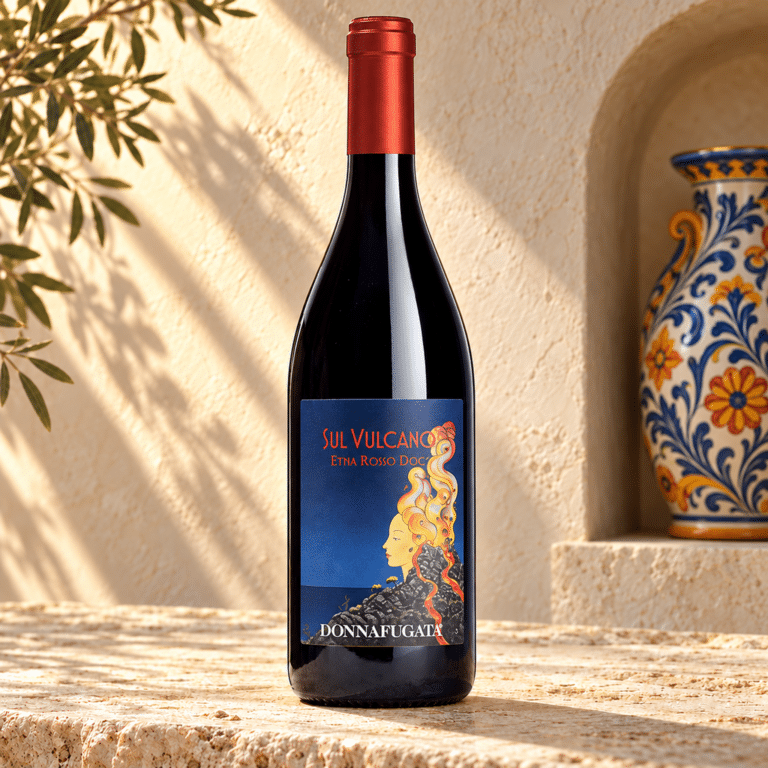
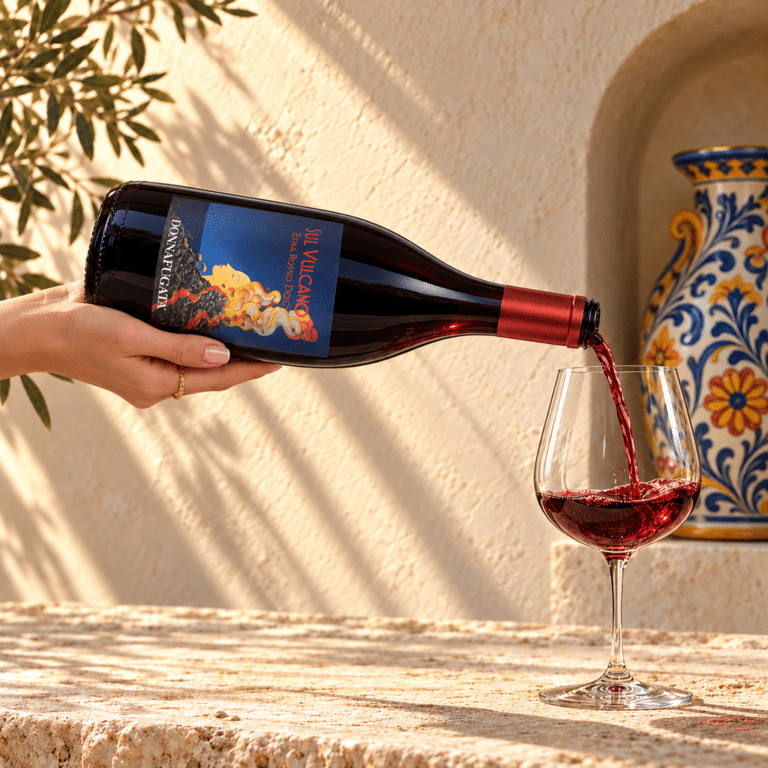
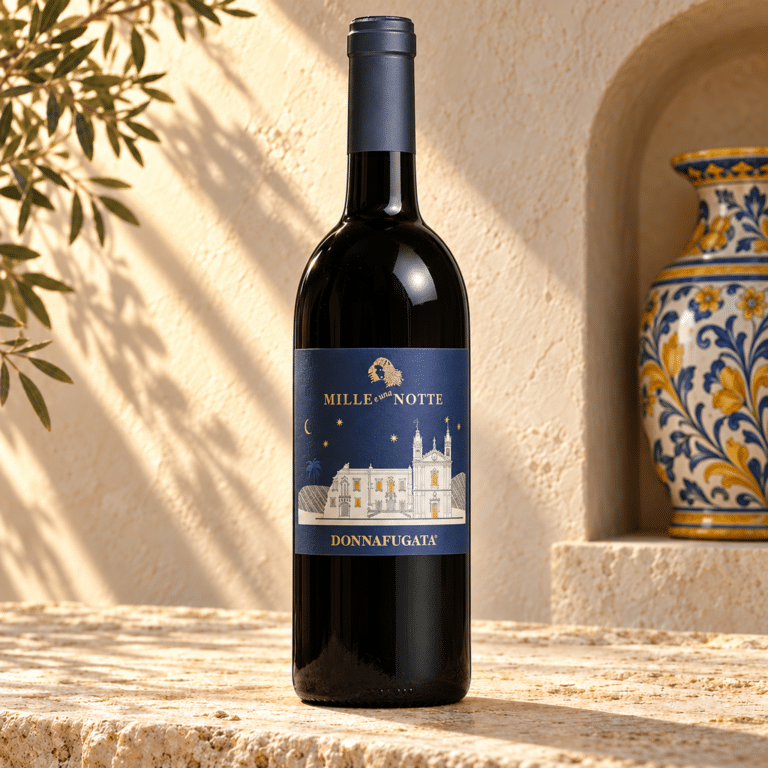
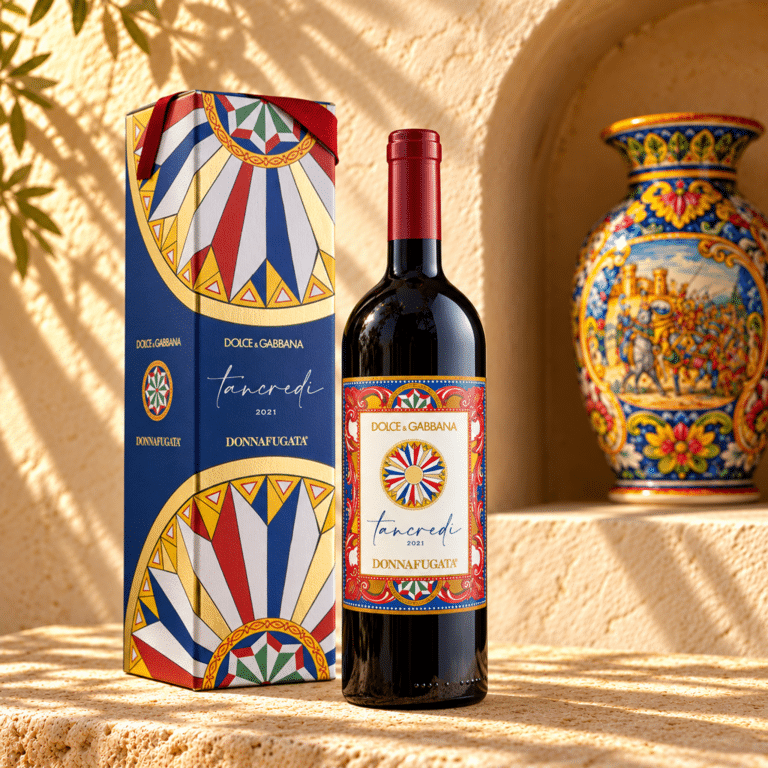
Donnafugata
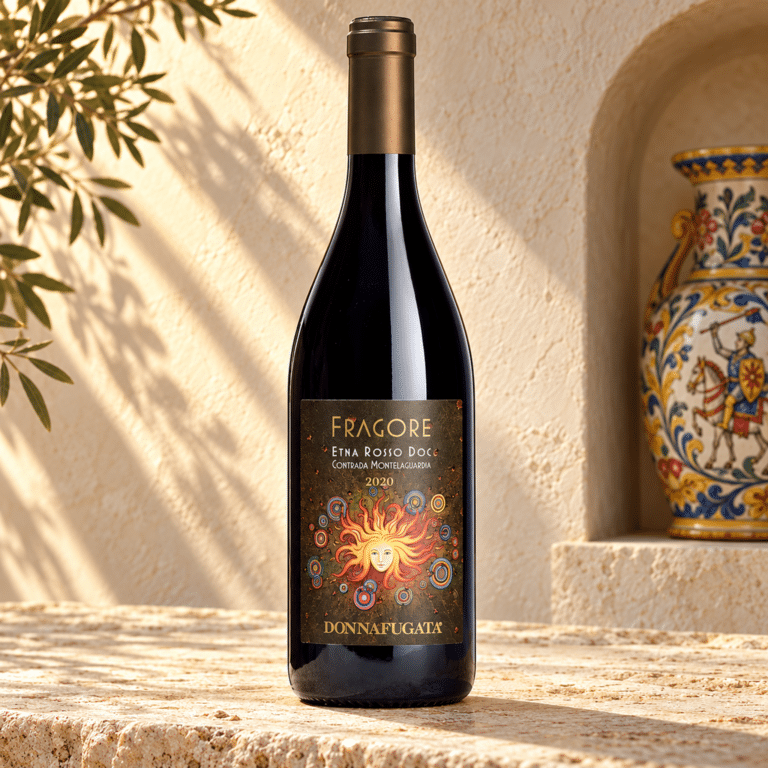
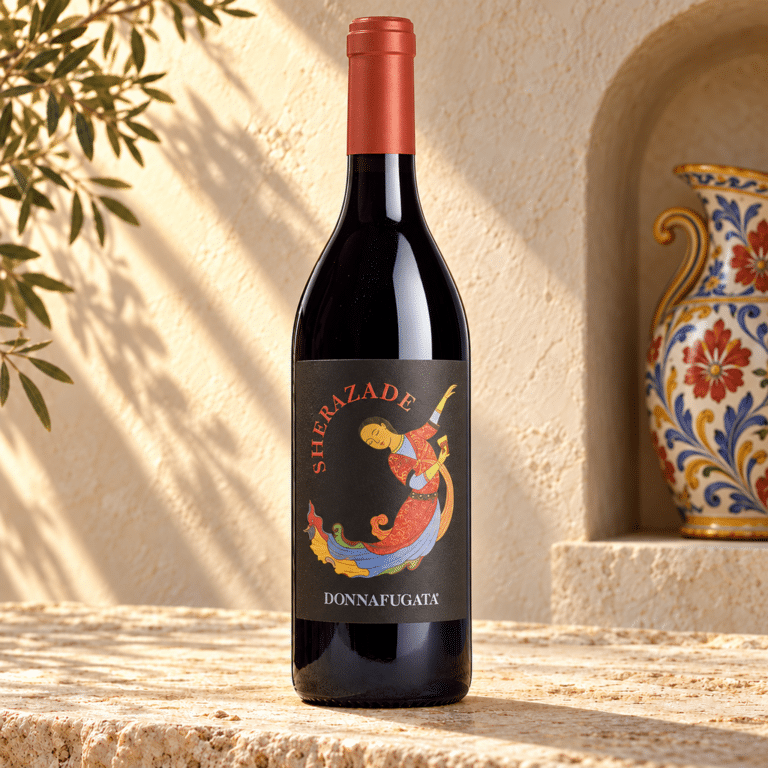
Donnafugata was established in Sicily by a family that has been able to innovate the style and perception of Sicilian wine throughout the world.
Giacomo Rallo, the fourth generation of a family with over 170 years of experience in quality wine, founded Donnafugata in 1983 together with his wife Gabriella. Today, their children José and Antonio lead the company and a team of people focused on excellence.Donnafugata represents the artisan and creative excellence of Made in Italy. It is a winery in perpetual motion towards innovation and focused on small valuable productions from unique territories and vineyards.
Sicily is a wine-growing continent and Donnafugata embodies this diversity cultivating its vineyards in very different contexts. The winery can count on a historic family cellar in Marsala and four estates with vineyards and vinification cellars: in western Sicily, in Contessa Entellina, where Donnafugata has 848 acres of vineyards with 19 different grape varieties; in the volcanic island of Pantelleria, Donnafugata has 168 acres of Zibibbo cultivated with low bush vines called “alberello pantesco” (Unesco Intangible Cultural Heritage).
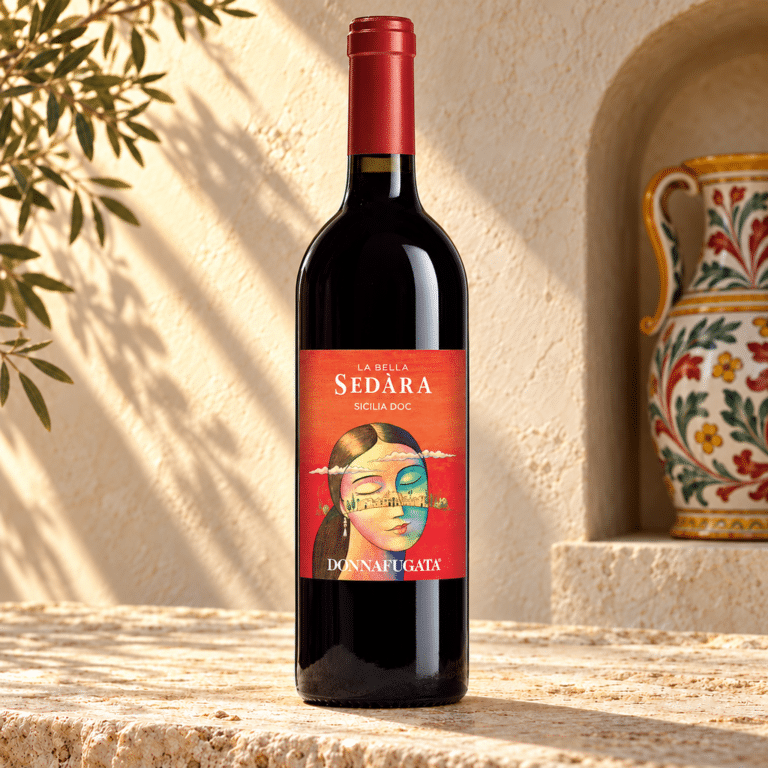
In eastern Sicily, on the northern slope of Mount Etna, Donnafugata has 86 acres of vineyards with native grapes such as Carricante and Nerello Mascalese; in the territory of Vittoria DOC, the latest generation winery is surrounded by 103 acres of Nero d’Avola and Frappato. Sustainability is part of Donnafugata’s DNA: from good practices in the field to biodiversity, from energy saving to the production of clean energy and landscape protection. In 2021 Donnafugata joined SOStain, the sustainability program for Sicilian viticulture, according to the goals of the UN 2030 Agenda. The dialogue with art makes Donnafugata special: its artistic labels are inspired by Gabriella and created by Stefano Vitale; they are unique and perfectly tell the world and colors of Donnafugata.