
Rosé
Charles Heidsieck
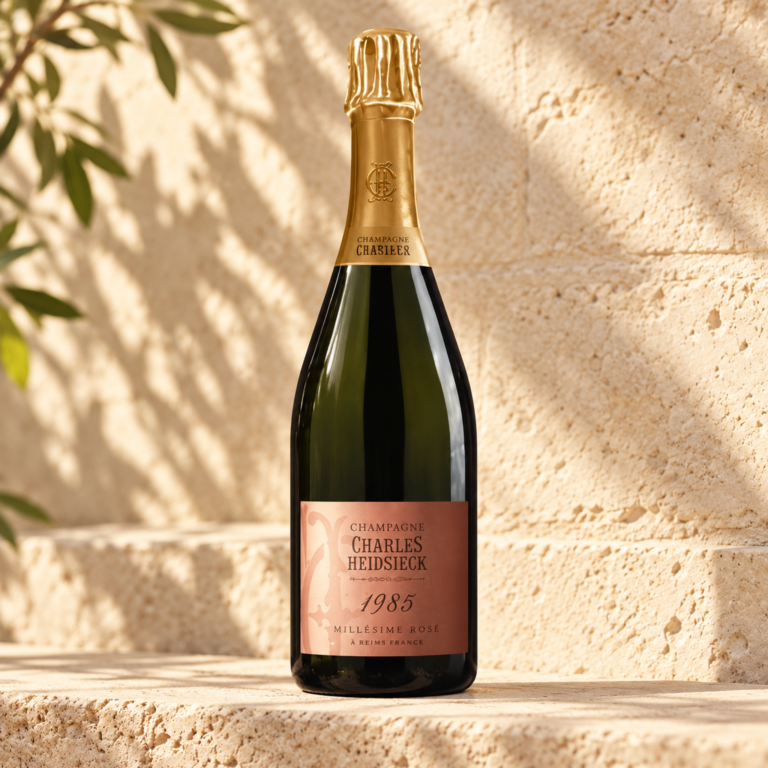
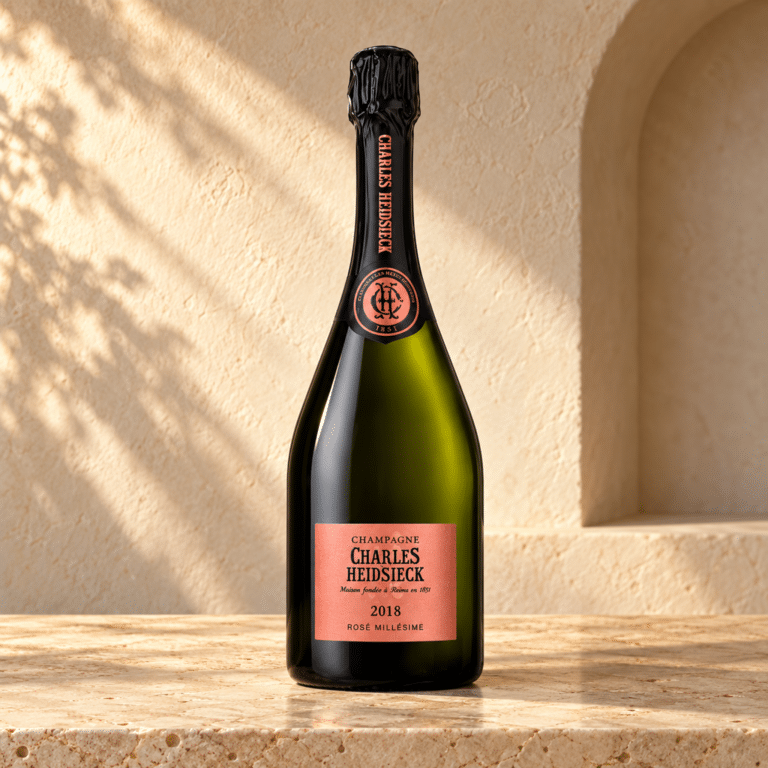
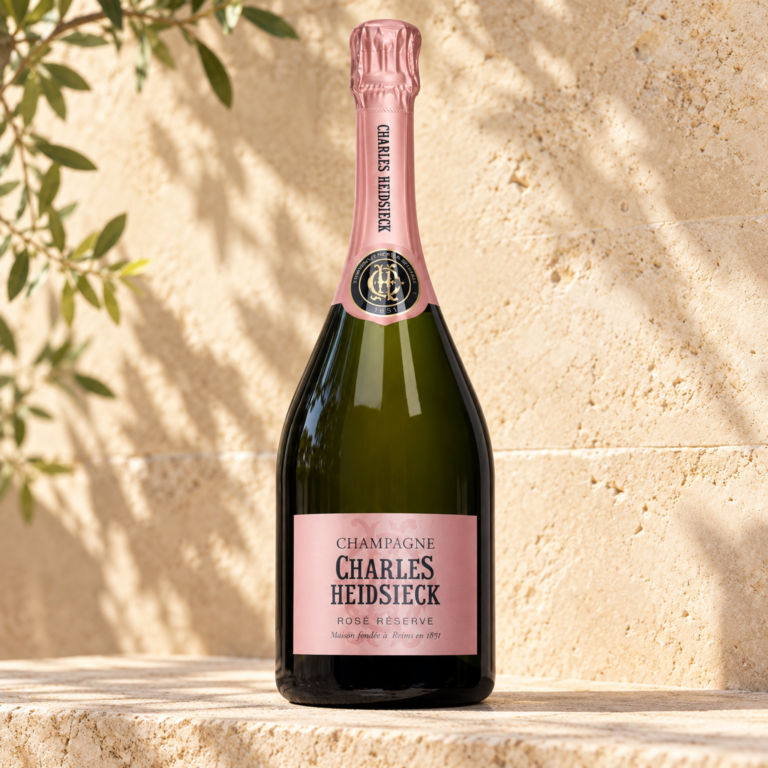
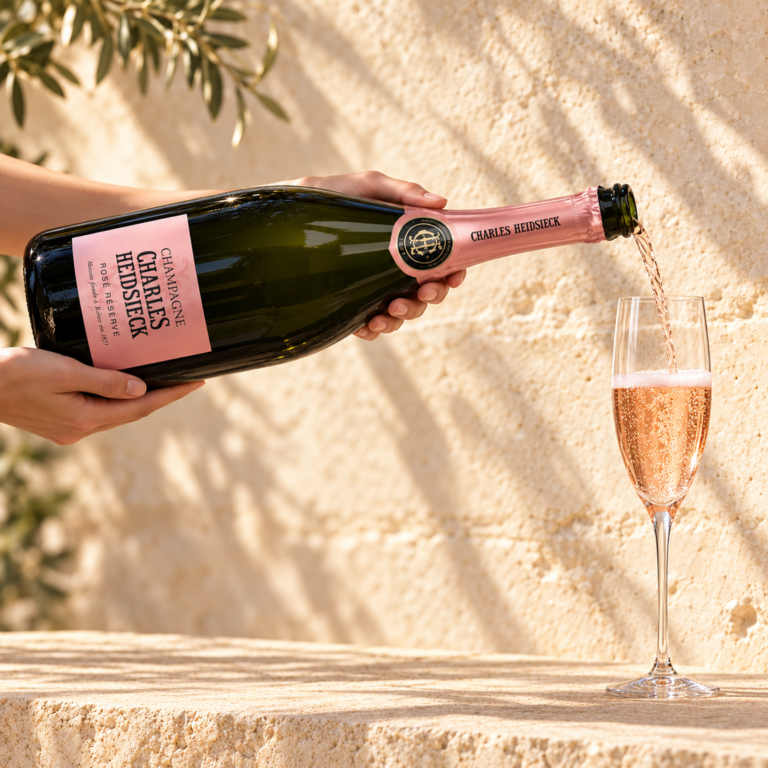
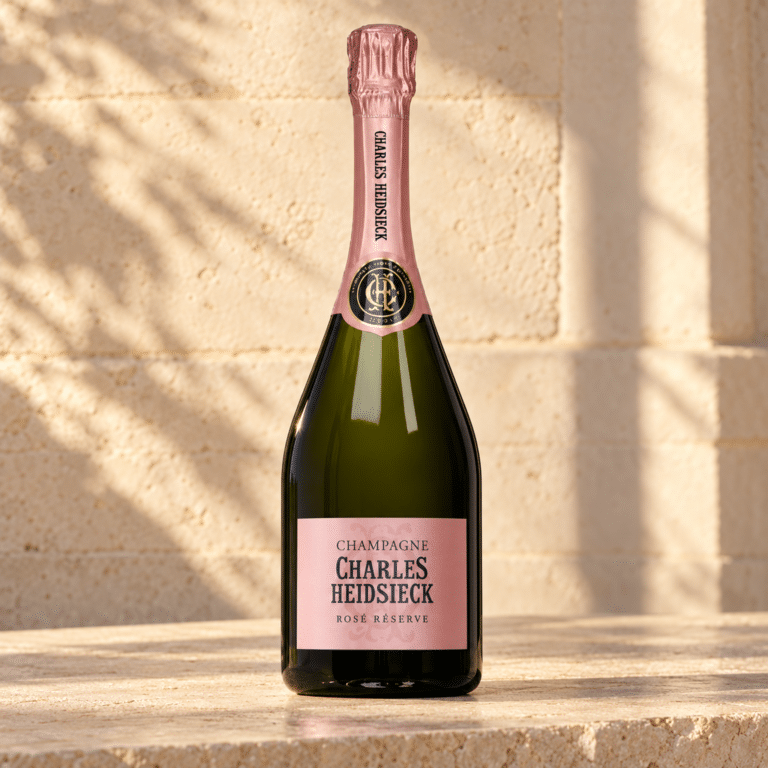
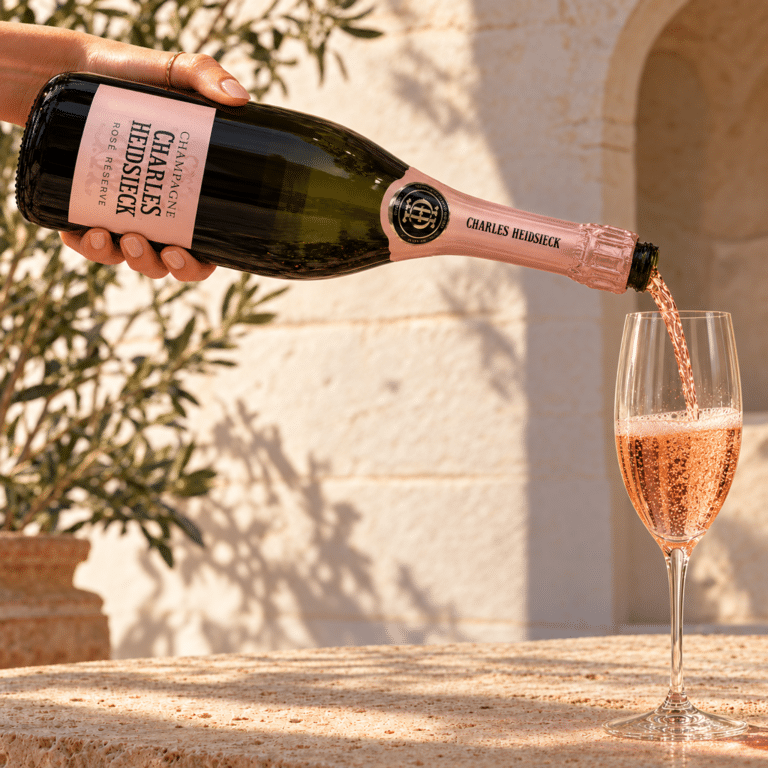
Charles Heidsieck established his own Champagne house in Reims in 1851. Recognizing the United States as a promising new market, he crisscrossed the country from north to south to introduce his brand. His polished style and charm earned him the affectionate nickname “Champagne Charlie.” The house stands apart for the share of reserve wines in its Brut Réserve. Reserve wines average a decade in age and make up 40% of the blend, which gives the Champagne unusual depth and complexity. Alongside the non-vintage Brut Réserve and Rosé Réserve, the house makes a Vintage Brut, a Vintage Rosé and the prestige cuvée Blanc des Millénaires.
Each Charles Heidsieck Champagne draws on just 60 Champagne crus. Three stylistic pillars shape the character of the Brut Réserve: Grand Cru Chardonnay from Oger in the Côte des Blancs, Grand Cru Pinot Noir from Ambonnay in the Montagne de Reims, and a distinctive Pinot Meunier from Verneuil in the Vallée de la Marne.
Rare Champagne
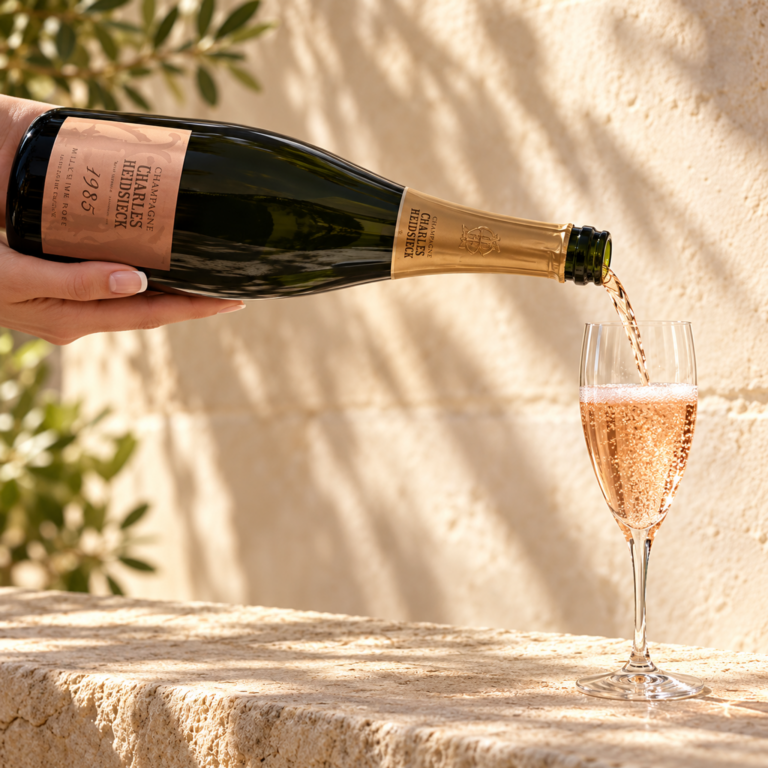
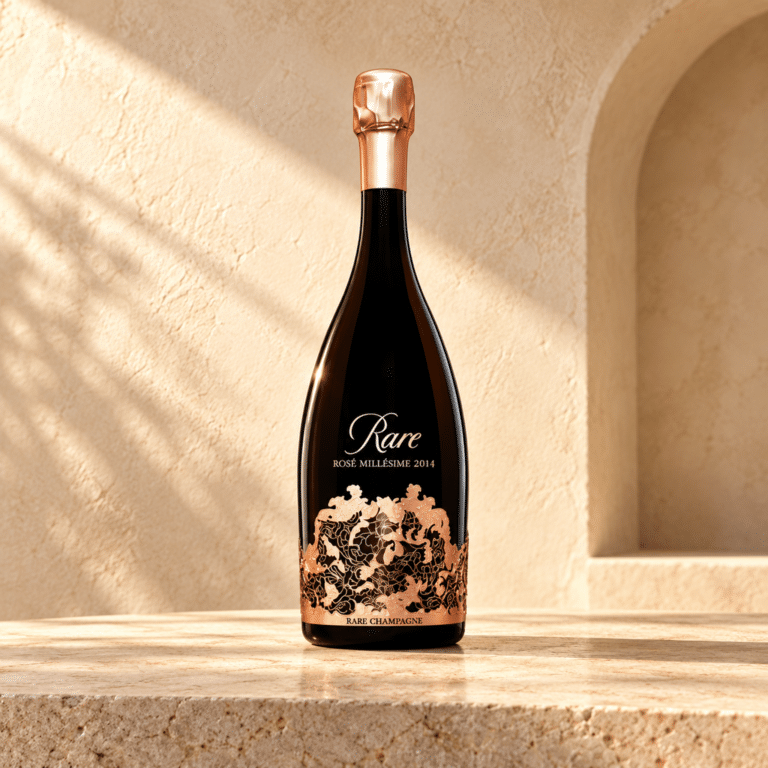
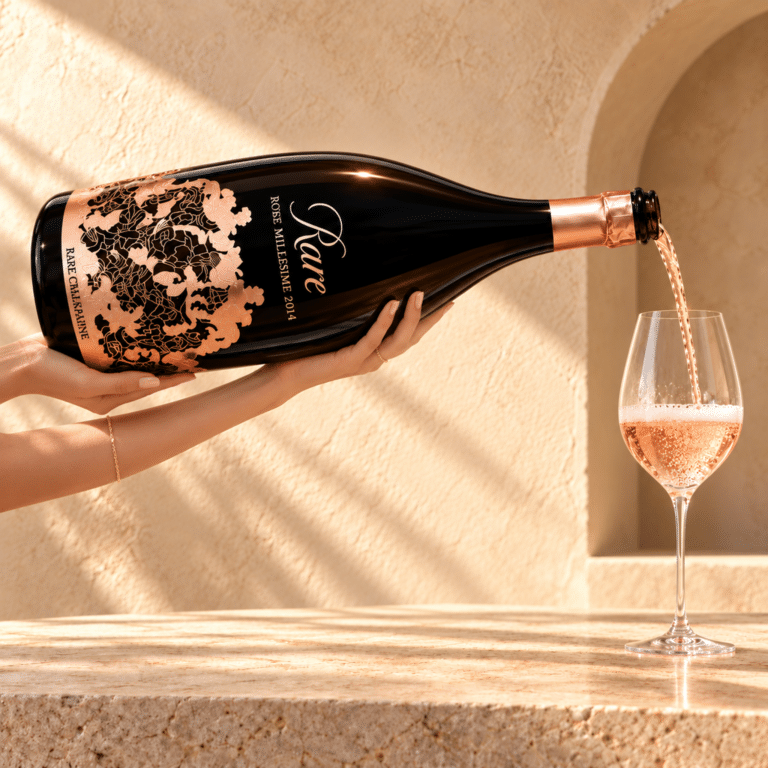
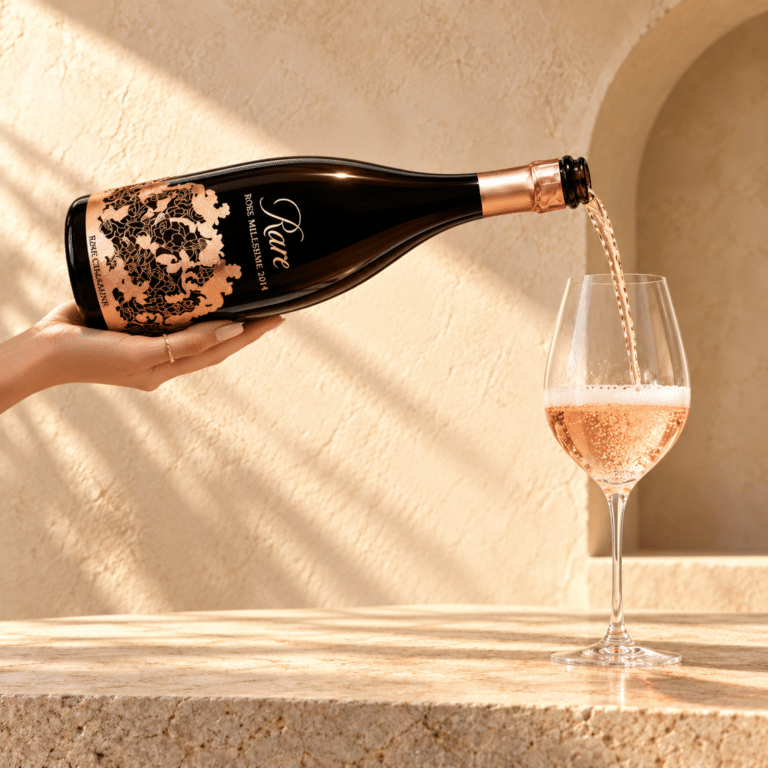
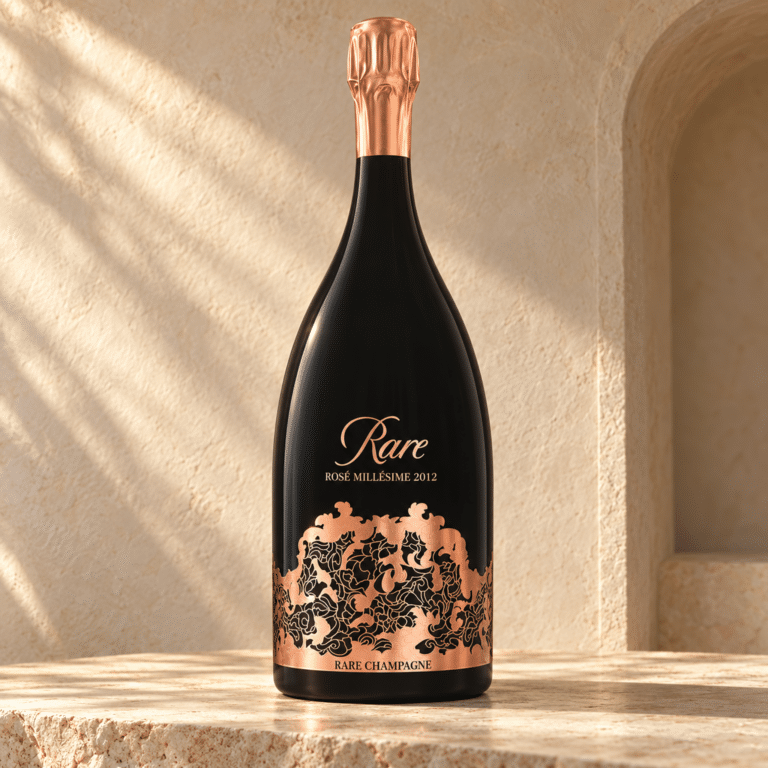
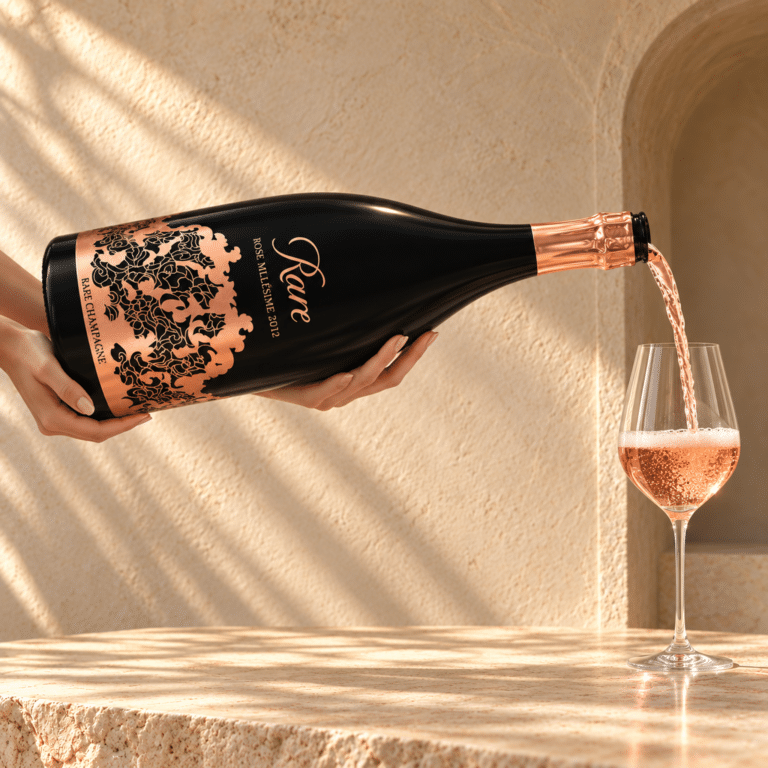
For the first time in its history, Maison Rare Champagne has made it onto the prestigious list of the renowned magazine Drinks International. Ranked 15th, Rare Champagne is also the only new entrant in 2024. Rare Champagne boasts a noble origin dating back to 1785 when Queen Marie Antoinette tasted the House’s first cuvée. With limited production and unapologetically exclusive, Rare Champagne stands as a regal rejection of convention. Since 1976, only 14 vintages have been released: 1976, 1979, 1985, 1988, 1990, 1998, 1999, 2002, 2006, 2008, 2013, and Rare Rosé Millésime 2007, 2008, 2012, and 2014.
Rare Champagne transcends norms and conventions to reveal an unparalleled champagne. The Cellar Master crafts each Rare Champagne vintage to reflect an exceptional year, magnifying nature itself. He aims to achieve the signature silky texture and endless freshness of Rare Champagne. Vineyards are selected based on their expression rather than their rank in the scale of Premiers and Grands Crus. By thinking outside the box, he chooses Chardonnay grapes from the Montagne de Reims, known primarily for Pinot Noir, resulting in incredible, precise minerality. He also prefers Pinot Noir grapes from the Montagne de Reims for their intense, powerful, and silky texture. This uncommon blending approach contributes to the complex, distinguished, and pure style of Rare Champagne.
B Corp LogoThe house recently achieved B Corp Certification and joined the selective B Lab community, a non-profit network founded in 2006. B Corp is one of the most demanding certifications, evaluating the social and environmental impact of a brand through more than 200 questions about governance, workers, communities, and environmental impact. This certification is the result of over 28 months of collective work by our teams worldwide, led by our Chief Winemaker, Emilien Boutillat.
Piper-Heidsieck
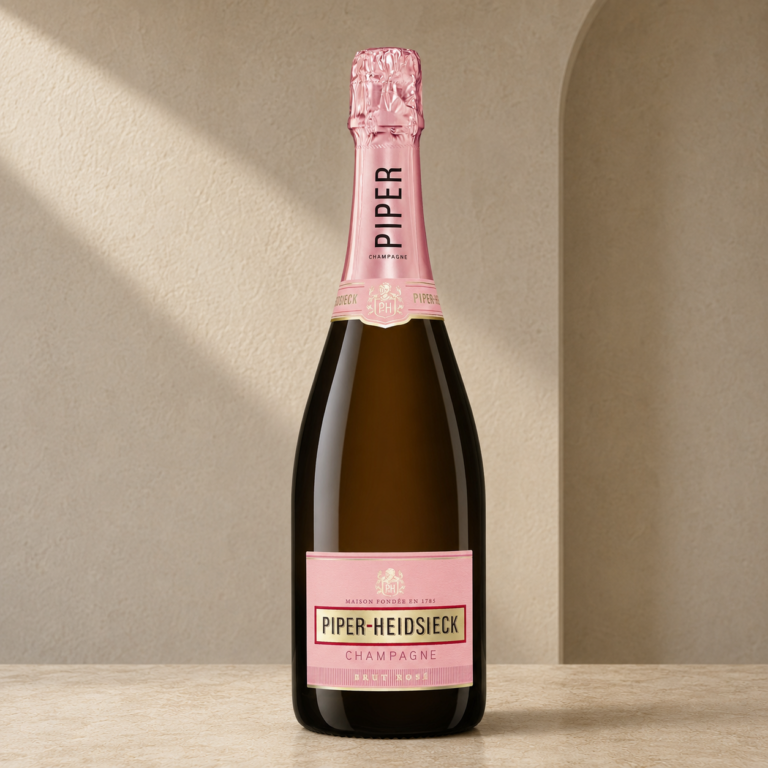
Rich in heritage, Piper-Heidsieck has built its identity on innovation and excellence since 1785, when Florens-Louis Heidsieck opened his Champagne house with the ambition of making a “cuvée worthy of a queen.” He realized that ambition when he offered his first cuvée to Marie Antoinette, who fell for it at the first taste. She soon became the Champagne’s earliest brand ambassador. When Henri-Guillaume Piper joined the Reims house in 1815, he and Florens-Louis’s nephew Christian Heidsieck worked to carry its reputation far beyond France. Today Piper-Heidsieck is served in more than 100 countries and holds more than 275 medals, making it the most awarded Champagne house of the century*.
The house credits its global success to the dedication and skill of its chief winemakers. Cellar Master Émilien Boutillat, the youngest chef de cave to head winemaking at a major Champagne house, carries on its uncompromising pursuit of quality. Committed to safeguarding Champagne’s terroir through sustainable viticulture, Piper-Heidsieck holds two certifications for its vineyards: Viticulture Durable en Champagne and Haute Valeur Environnementale**. It also buys fruit from like-minded growers across 319 crus in Montagne de Reims, Vallée de la Marne, Côte des Blancs and Côte des Bar. These growers continue to adopt stricter environmental practices, including fewer chemical inputs, greater biodiversity, dry farming and careful energy and waste management.
From Marie Antoinette to Royal Warrant Appointments granted by 14 royal and imperial courts, Piper-Heidsieck has long drawn the attention of high society, including Hollywood’s biggest names. The house first appeared on screen in the Laurel and Hardy film “Sons of the Desert” and has since played a supporting role for stars from Clark Gable to Marilyn Monroe, who is credited with saying, “I go to bed with a few drops of Chanel No 5 and I wake up each morning to a glass of Piper-Heidsieck; it warms me up.” Its red carpet reputation is known at film festivals worldwide. Piper-Heidsieck is the official Champagne sponsor of the Cannes Film Festival and the Academy Awards, and it supports cinema as a patron of the Motion Picture & Television Fund and a partner of the Cinémathèque Française.
*Régis Camus, Piper-Heidsieck’s Chief Winemaker, has been named “Sparkling Winemaker of the Year” by the International Wine Challenge jury eight times since the start of the century.
M. Chapoutier
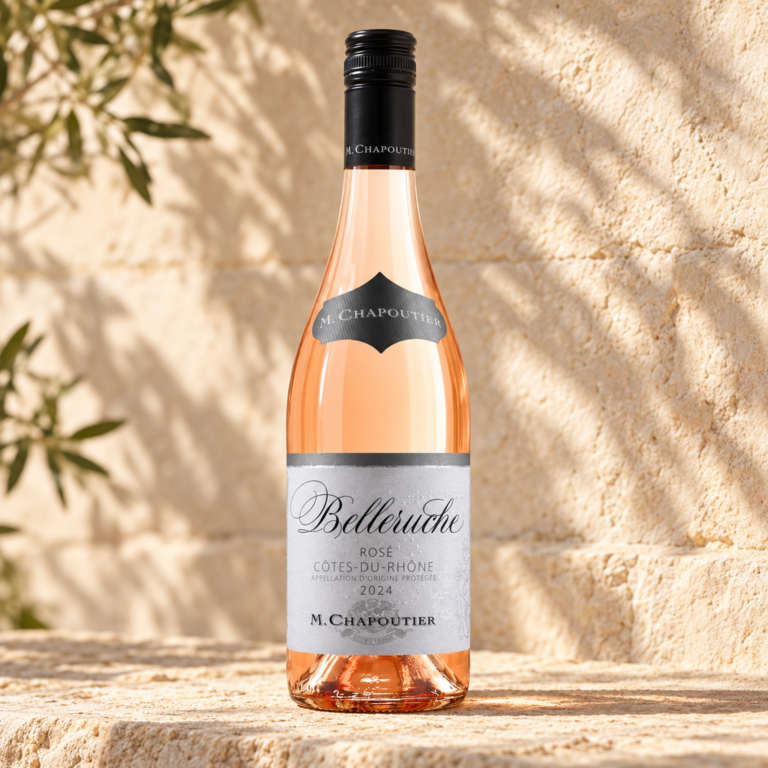
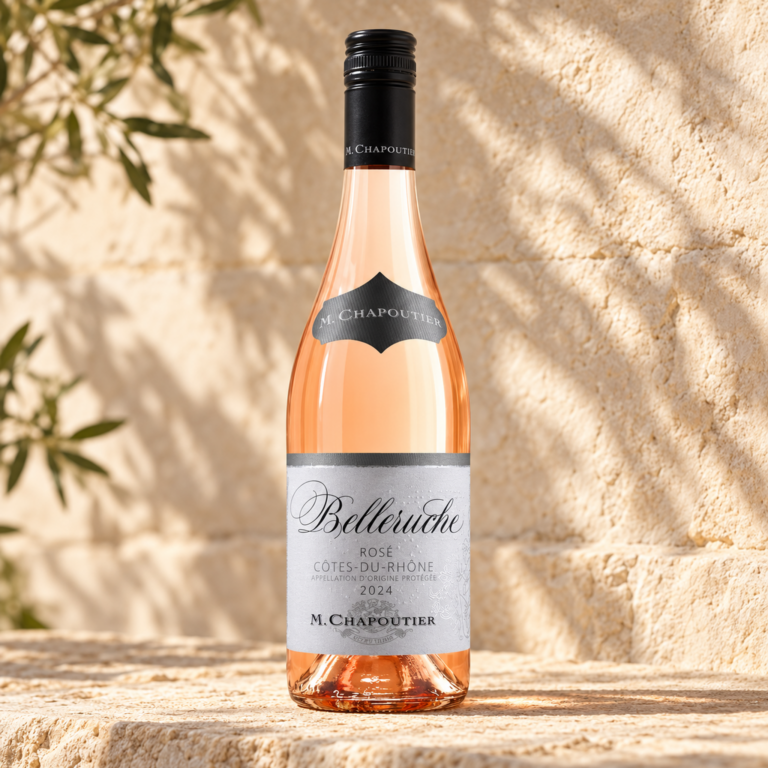
The Chapoutier name holds a distinguished place in Rhône Valley history, dating to 1808, when the family put down roots in the region. Through the 19th century and well into the 20th, M. CHAPOUTIER grew steadily, making wines from respected sites including Hermitage, Côte-Rôtie and Châteauneuf-du-Pape. A turning point came in 1990 with the arrival of Michel Chapoutier. A maverick winemaker, he launched bold initiatives, among them the Single Vineyard Selections, which express the singular terroir of each site, and wine labels embossed in braille for the visually impaired. Each decision then and now reflects his deep respect for soil, climate and people.
Michel Chapoutier holds that great wine comes only from healthy vines in a balanced ecosystem. Since 1990, Maison M. CHAPOUTIER has practiced biodynamic viticulture without compromise. Chemical pesticides and herbicides are banned. Organic matter feeds the vineyards, which protects and encourages the beneficial bacteria found in living soils. Decisions on pruning and harvesting follow the rhythms of the earth, sun and moon.
His respect for nature’s cycles drives him to keep learning, refining and imagining new possibilities. The results, the house says, have borne out this approach: M. CHAPOUTIER is described as the most awarded winery in the world, with more 100-point scores from Robert Parker and more ratings of 90+ than any other producer.
Doannafugata
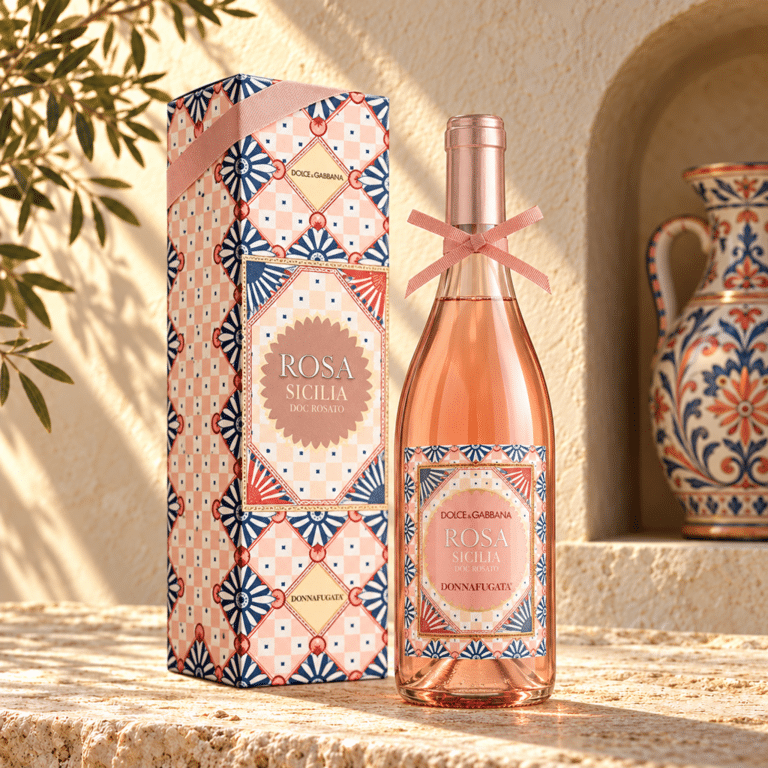
Donnafugata was established in Sicily by a family that has been able to innovate the style and perception of Sicilian wine throughout the world.
Giacomo Rallo, the fourth generation of a family with over 170 years of experience in quality wine, founded Donnafugata in 1983 together with his wife Gabriella. Today, their children José and Antonio lead the company and a team of people focused on excellence.Donnafugata represents the artisan and creative excellence of Made in Italy. It is a winery in perpetual motion towards innovation and focused on small valuable productions from unique territories and vineyards.
Sicily is a wine-growing continent and Donnafugata embodies this diversity cultivating its vineyards in very different contexts. The winery can count on a historic family cellar in Marsala and four estates with vineyards and vinification cellars: in western Sicily, in Contessa Entellina, where Donnafugata has 848 acres of vineyards with 19 different grape varieties; in the volcanic island of Pantelleria, Donnafugata has 168 acres of Zibibbo cultivated with low bush vines called “alberello pantesco” (Unesco Intangible Cultural Heritage).
In eastern Sicily, on the northern slope of Mount Etna, Donnafugata has 86 acres of vineyards with native grapes such as Carricante and Nerello Mascalese; in the territory of Vittoria DOC, the latest generation winery is surrounded by 103 acres of Nero d’Avola and Frappato. Sustainability is part of Donnafugata’s DNA: from good practices in the field to biodiversity, from energy saving to the production of clean energy and landscape protection. In 2021 Donnafugata joined SOStain, the sustainability program for Sicilian viticulture, according to the goals of the UN 2030 Agenda. The dialogue with art makes Donnafugata special: its artistic labels are inspired by Gabriella and created by Stefano Vitale; they are unique and perfectly tell the world and colors of Donnafugata.